
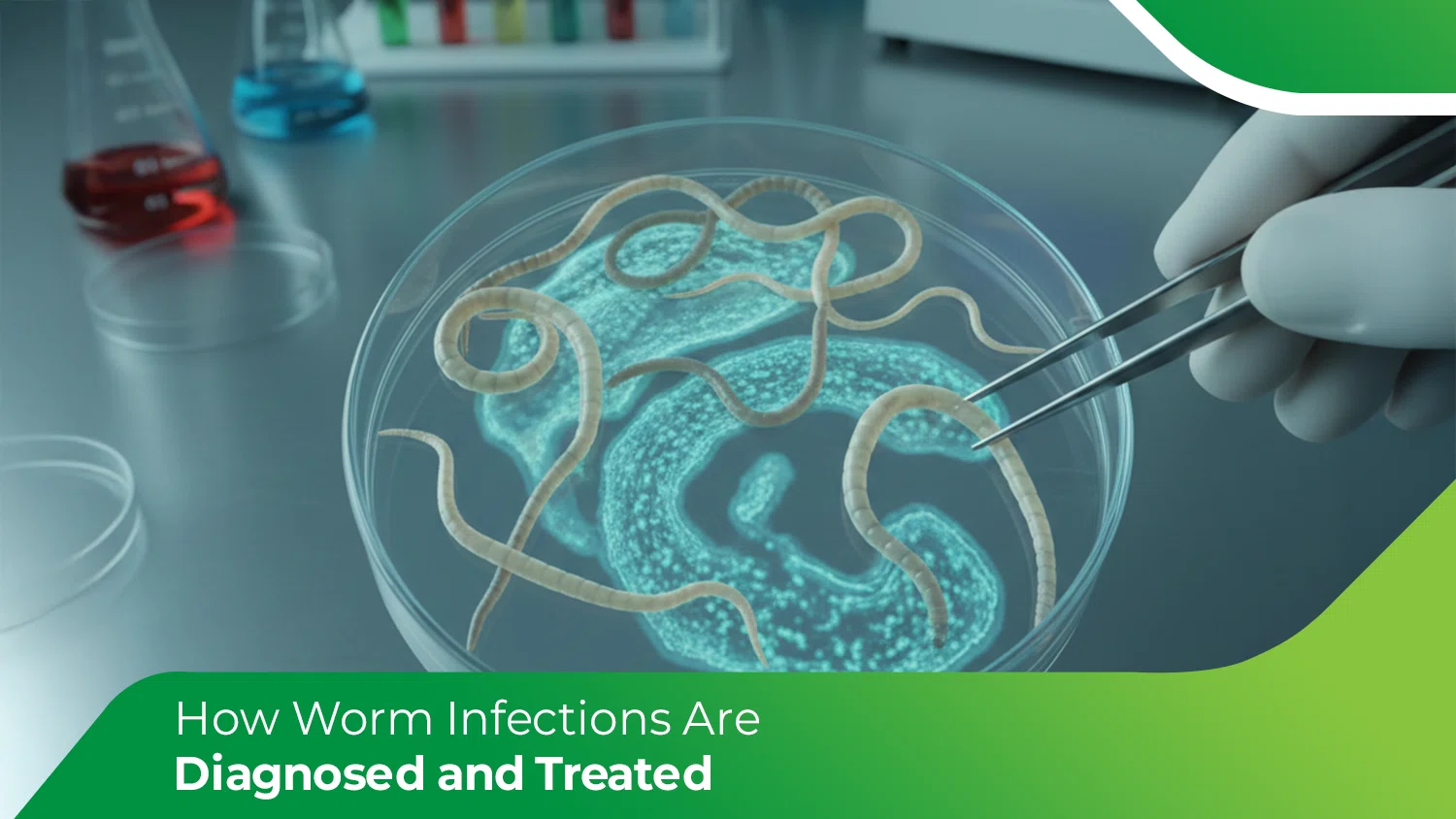

How Worm Infections Are Diagnosed and Treated
Do you know how worm infections are diagnosed? Do you know how it is treated? I think most of us are aware about the diagnosis and treatment of worm infections. Let me take you to a ride where you can learn all the diagnosis and treatment of worm infections.
What are worm Infections?
Worm Infection also known as Helminthiasis is a micro parasitic disease that is caused in humans and other animals where a part of the body is infected with parasitic worms. There are a number of species of such parasites which are broadly classified as tapeworms, flukes, hookworms, and roundworms. They are usually found in the gastrointestinal tract but can also be found in other organs where they can produce psychological damage.
Diagnosis
Diagnosis usually depends on several factors such as hosting a family from overseas for a few days, travel history, worm type, symptoms, severity of the infection, etc.
Some of the diagnostic tests are:
1. Stool test
This is the commonly prescribed test. Healthcare professionals usually look for tiny eggs and larvae in the stool samples. They are used for roundworms, tapeworms, hookworms and Strongyloides. The eggs do not appear in the stool until at least 40 days after you are infected. And if somebody is affected with only male worms, they won’t have eggs in their stool.
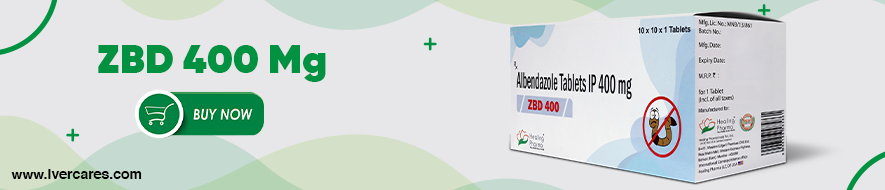
When positive, treatment can be straightforward. Drugs like ZBD 400 mg are commonly prescribed depending on the parasite.
2. Blood test
Secondary test that is used when stool tests fail. Blood tests detect when you have too many white blood cells (eosinophilia) and low Red Blood Cells (anemia). There are two types of blood tests that may be ordered by your doctor:
- Blood smear- It is a test that is used to detect the worms that are travelling all around your body with the blood. Parasitic infections such as Malaria, Filariasis can be diagnosed by blood smear test. The test is done by placing a drop of blood on the slide which is then stained and examined under a microscope.
- Serology- Antibodies or the parasitic antigens found in the body are detected by serological methods. It is a lab test which is done by your doctor.
If the test comes out to be positive, the doctors may prescribe ZBD 400 mg for its treatment.
3. Imaging Scans
Some of the parasites just want to wander around without getting found. Few Imaging scans are noted below which are usually prescribed by the doctors for early diagnosis of the disease:
X-rays- If you have worms inside your body, an X-ray of the stomach area may show a mass of the parasites. Sometimes, a chest X-ray can reveal the larvae in the lungs.
Ultrasound- An ultrasound may show worms in the pancreas or liver. This test uses sound waves to make images of internal organs.
CT scan or MRI- Both types of tests create detailed images inside the body. The images can help your healthcare professional find worms that are blocking ducts in the liver or pancreas. CT scans combine X-ray images taken from many angles. MRI uses radio waves and a strong magnetic field to provide better imaging.
4. Skin and Tissue Test
Ever heard of Scabies? Scabies is the disease where the parasites are buried under your skin. For such parasites the only test that remains is Skin and Tissue test. Do you know how it is performed? Doctors scrape a part of the skin and that is observed under a microscope to check the presence of parasites.
For such infections, Ivermectin is a highly prescribed medication.
How are Worm Infections treated?
Treatment usually depends on several factors such as intensity of the infection, type of infection, individual factors and many other things.
I. Antiparasitic treatment
The first line of treatment for any disease has to be allopathic medications. Drugs are highly effective when used correctly for the right infections such as:
| Medication | Common Uses |
| Albendazole (e.g. ZBD 400 mg) | Roundworm, hookworm, pinworm |
| Mebendazole | Intestinal worms |
| Ivermectin | Strongyloidiasis, filariasis |
| Ivermectin | Scabies |
Many infections require single-dose or short-course therapy like Fenbendazole, while others need repeated or prolonged treatment. Consult your healthcare provider before starting any medications.
II. Supportive Treatment
Not all medications work on their own, some need supportive treatment to get the desired action. While the antiparasitic medications kill the parasites, supportive treatment helps in recovery and relieving symptoms.
Few of the supportive treatment options are:
- Hydration- Hydration plays a very important role in any treatment. So, when you are properly hydrated you are going to recover quicker as well.
- Iron supplements for anaemia
- Dietary adjustments
- Rest- Adequate rest always helps in quick recovery
- Hygiene
- Treatment of Secondary Infections
- Incorporating soothing and anti-inflammatory foods like ginger, garlic, carrots and coconut water in your diet can be beneficial.
- Probiotics can be used to restore healthy bacteria in the gut.
III. Surgical Intervention (Rare)
If many worms are in the body, sometimes surgery is needed to remove worms and repair damage they’ve caused. Intestine blockage or holes, bile duct blockage, and appendicitis are complications that may require surgery.
Conclusion: Don’t Ignore the Signs-Worm Infections Are Treatable
Worm infections may sound unsettling, but the good news is that they are highly diagnosable and effectively treatable when caught early. Lack of awareness around the symptoms of the disease and proper testing often delays the recovery rather than the disease. From simple stool and blood tests to advanced imaging, modern medicine offers multiple ways to detect even hidden infections.
Treatment today is targeted, safe, and often short-term-especially when guided by the correct diagnosis. Along with medications like ZBD 400 mg, supportive care, hygiene, and follow-up play a crucial role in full recovery. The key takeaway is simple: listen to your body, seek medical advice early, and never self-medicate blindly. With the right approach, worm infections don’t have to linger-they can be eliminated.
FAQs
1) Can I have a worm infection without symptoms?
Yes. Many worm infections remain asymptomatic for months or even years. Some are discovered only during routine tests or when complications arise.
2) Why do doctors check eosinophil levels in blood?
A high eosinophil count is a strong indicator of parasitic infection. It helps doctors suspect worm infections even when stool tests are negative.
3) Can worm infections come back after treatment?
Yes, reinfection is possible especially if hygiene, sanitation, and food safety measures are not followed.
4) Do children and adults need different treatment?
The medication is often the same, but dosage and duration may vary based on age, weight, and severity of infection.
5) Can I take deworming medicine without testing?
Self-medication is not recommended. Different worms require different drugs, and incorrect treatment may worsen symptoms or delay proper care.


Leave a Comment