

Stories about parasites invading the eyes are very terrific and sparks curiosity. Online searches like ‘Can parasites really invade the eyes and cause eye infection?’, ‘Myths about eye parasites’, etc. are surfacing around and have created a lot of suspicion around individuals. This all is rising due to viral reels and social media. Do you think worms can live in the eyes?
What if the answer is yes. Shocked right? But this is the truth…. worms live in the eye and cause eye parasitic infections.
What are eye parasites?
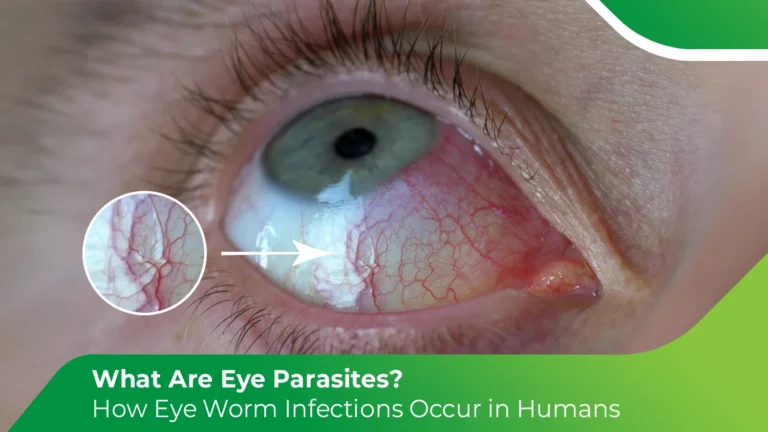
An eye parasite refers to a small organism living in the eye that infects and affects the eye and the surrounding areas. Eye parasites are rare but serious conditions that are known as ocular parasitic infections. Certain parasites affect the conjunctiva, eyelids, iris, retina, sclera and other parts of the eye. Most of the parasites do not survive in the eye conditions easily, that is the reason these infections are uncommon. Certain parasites that affect the eye are acanthamoeba, Loa loa, Onchocerca volvulus, Toxocara. Such infection mostly happens due to poor hygiene, insect transmission, contaminated water and can be treated by Iverjohn 12 mg.
Can Worms really live in the human eye?
What do you think can worms really live in the human eye? Unfortunately, the answer is yes. Worms actually live in the human eye but sometimes they are so underlying that they can’t be seen or live beneath everything hidden. According to reports, such conditions only occur in tropical regions and are linked to transmission from insects. Medications such as Iverjohn 12 mg can be used to treat infections. These infections are not something that you can see from families to families- they are quite rare and occur only in special exposure conditions.
According to a report, the 34-year-old woman complained for eye issues and was on topical treatment for 6 months but no changes were seen and later after slit-lamp examination it’s found out that there was a worm in her left eye. So yes, worms really live in the human eye and above is the medical evidence.

Common myths about worms in the eye
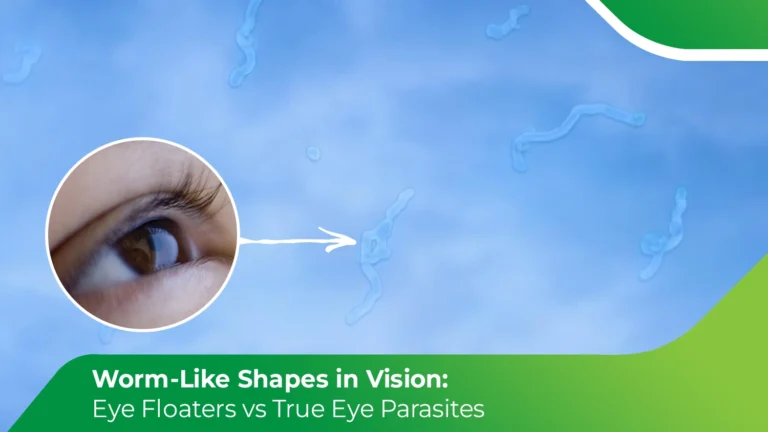
There are many misconceptions surrounding this topic. One popular myth is that eye parasites are common or easily acquired. Another claim seen online is that eye worms appear suddenly without cause. When looking at eye parasites myths vs facts, medical science confirms that most viral stories are exaggerated. The truth behind worms in eyes myth or truth is that while possible, such infections are rare, preventable, and treatable with proper medical care.
Facts about Eye Worm Infection
- Eye infections caused by worms are often asymptomatic
- Eye infections are usually caused due to exposure to the insects, animals and contaminated environments
- Documented human eye parasite cases are quite rare and are often published as medical reports
- It can be treated with antiparasitic medication such as Iverjohn 12 mg
- High parasite load can lead to serious conditions
Symptoms
Some of the signs seen due to eye worm infections are:
- Diarrhea
- Abdominal pain
- Blurry vision
- Redness
- Itching and irritation
- Inflammation of the eyelids
- Scarring of the eye
- Excessive tearing
- Severe eye pain
- Itchy, non-painful body swelling (Rare)
- Corneal ulcers
- Double vision
- A constant feeling that something is there in the eye
How do Parasites enter the eye?
Understanding how parasites enter the eyes helps reduce fear. Most parasites do not directly invade the eye. Instead, parasites in human eyes may occur through:
- Insect bites near the eye
- Contact with contaminated water
- Poor hygiene or sanitation
- Poor contact lenses hygiene
- Close contact with infected animals
Direct eye invasion is accidental and rare.
Treatment and removal of eye worms
Treatment for eye worm infection depends on the parasite involved. Options may include antiparasitic medications, anti-inflammatory drugs, or minor surgical procedures. Physicians determine how to remove eye parasites safely based on location and severity. There are multiple eye parasite treatment options, and self-treatment and avoiding the treatment should never be attempted, as it may cause permanent eye damage.
Prevention Tips to avoid Eye Parasites
Prevention of eye parasitic infections focuses on hygiene and awareness:
- Wash hands regularly
- Practice health hygiene
- Avoid misuse of contact lenses
- Refrain from rubbing eyes
- Use insect protectant wherever necessary
- Do not share Personal items
The Bottom Line
Yes, parasites can infect the eyes but it is rare, preventable, and treatable. Fear-driven myths often exaggerate reality. Maintaining hygiene, avoiding contaminated water, and seeking timely medical care are the best protections. Understanding the facts helps reduce panic and protects your vision.
FAQs
1. Can swimming in lakes or ponds infect the eyes?
Yes. Contaminated water increases the risk of infection associated with eyes.
2. Is surgery always needed to remove eye worms?
No, not all cases require surgery. Many cases respond well to antiparasitic medicines like Iverjohn 12 mg.
3. Can untreated or delayed treatment of eye parasites damage eyesight permanently?
Yes. Delay in treatment can lead to long-term vision problems and can cause permanent blindness as well.
4. Can eye worms be mistaken for allergies?
Yes. Early symptoms often look like common eye irritation.
5. Can eye parasites spread from one person to another?
No. Eye parasitic infections do not spread through casual contact. They are typically transmitted through insect bites, contaminated water, or contact with infected animals.
Leave a Comment