

It often begins with something small-an itch that gets worse at night, a rash that spreads despite using creams, unexplained stomach issues, or fatigue that doesn’t make sense. Sometimes, these symptoms aren’t just minor irritations-they’re signs of a parasitic infection. And when it comes to treating parasites, one name comes up again and again: Ivermectin.
But here’s the part that truly matters-Ivermectin is not a “one-dose-fits-all” medication. The dosage for scabies is different from strongyloidiasis. River blindness requires a completely different schedule. Some conditions need a single dose. Others need repeat treatment based on body weight and severity.
In this blog, we’ll break down the Ivermectin dosage guide by condition-clearly, practically, and medically so you know exactly how it’s prescribed and why precision is key to successful treatment.
What is Ivermectin?
Ivermectin is a generic medication approved by the FDA to treat various parasitic infections. It belongs to a drug class called antiparasitic medications. It can be used to treat infections such as Onchoceriasis, Scabies, Strongyloidiasis. What matters most is the Ivermectin dosage guide when using this medication.
Overview of Ivermectin dosage
Do you know what makes Ivermectin dosage guide unique? The ability to be strictly weight-based and also to vary according to the condition that is to be treated.
Standard dosage range:
For most infections, the typical adult dose falls between:
- 150 mcg/kg – 200 mcg/kg
- Single dose therapy
- Usually taken just one oral dose
- Sometimes repeated after 7-14 days, depending on the infection
Individuals with different body weights will require different strengths of the tablet as dosing is calculated per kilogram of body weight.
Why Dosage Varies by Condition
Iverhuman 12 mg (Ivermectin) works by targeting the nervous system of parasites, leading to paralysis and death. However:
- Skin diseases like scabies may require repeat dosing to eliminate newly hatched mites.
- Intestinal worms such as strongyloidiasis may require 1-2 consecutive days of treatment.
- Chronic or severe infections may require longer monitoring and repeat courses.
The parasite type, life cycle, infection severity, and immune status of the patient all influence the dosing schedule.
Strengths
Different strengths that are available of the drug are: 3 mg, 6 mg, 12 mg. It is available in oral formulation.
Ivermectin Dosage Guide by Condition
- Scabies
Administration: Oral Ivermectin like Iverheal 12 mg, Iverheal 3 mg is often prescribed in two separate doses, with a 7 to 14 day gap between them to target newly hatched mites.
Method: For the treatment of scabies, taking the medication with food is recommended to improve its effectiveness.
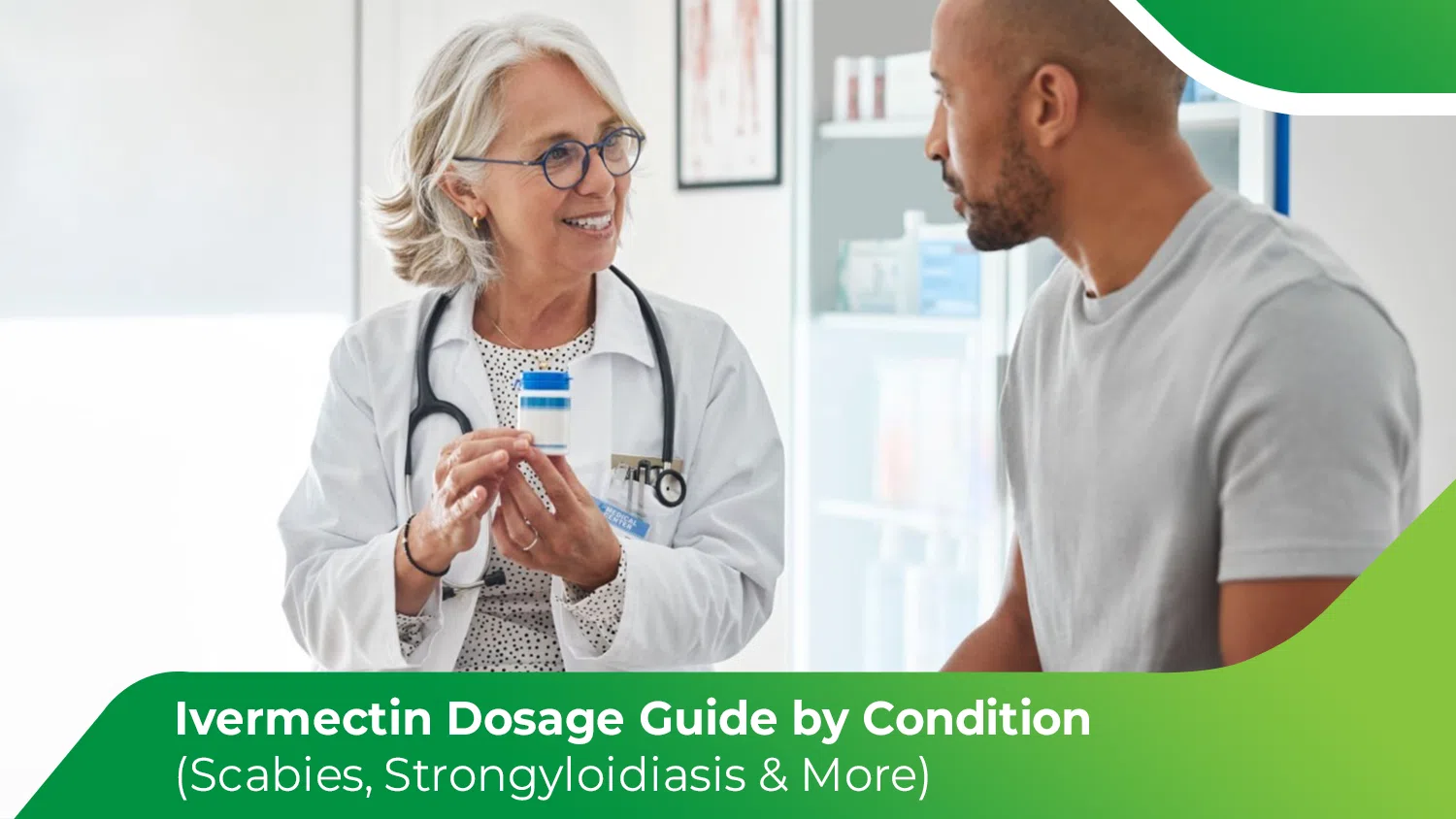
Dosage Determination: The appropriate dosage is calculated by a healthcare provider based on the patient’s body weight.
Contraindications: Ivermectin dosage is generally not recommended for use in children weighing less than 15 kg, or for pregnant or lactating women.
Management: It is important to treat all household members at the same time to prevent re-infestation.
- Onchocerciasis
Administration: Oral Ivermectin (such as Iverheal 12 mg or 3 mg) is usually prescribed once daily for 1-2 consecutive days. In chronic infections, repeat dosing may be required based on follow-up stool tests.
Method: It is usually taken on an empty stomach with water to ensure optimal absorption.
Dosage Determination: The standard Ivermectin dosage is 200 mcg/kg of body weight per day. The actual number of tablets is calculated by a healthcare provider according to the patient’s weight and severity of infection.
Contraindications: Not to be used in children weighing less than 15 kg. Caution is advised in pregnant or breastfeeding women and immunocompromised individuals.
Management: Follow-up stool examinations should be done to confirm parasite clearance. In severe cases such as hyperinfection, extended treatment under strict medical supervision is necessary.
- Strongylodiasis
Administration: Ivermectin dosage is usually given as a single dose and might be repeated every 6 to 12 months.
Method: Consume on an empty stomach with water.
Dosage Determination: Standard Ivermectin dosage is 150 mcg/kg of body weight as a single dose. The prescribing physician calculates the dose based on body weight.
Contraindications: Not recommended for children under 15 kg or during pregnancy unless clearly necessary. Special caution in individuals with heavy parasite loads due to possible inflammatory reactions.
Management: Patients may experience temporary itching, swelling, or mild fever due to parasite die-off. Regular follow-up is important in endemic regions.
- Head Lice
Administration: Oral Ivermectin is given as a single dose and repeated after 7–10 days if necessary.
Method: Taken on an empty stomach with water.
Dosage Determination: Standard oral Ivermectin dosage is 200 mcg/kg of body weight.
Contraindications: Not recommended for children under 15 kg. Use during pregnancy only if clearly indicated.
Management: Close contacts should be examined and treated if infested. Bedding, clothing, and hair accessories should be washed thoroughly to prevent reinfestation.
Conclusion
The right Ivermectin dosage guide plays a crucial role in successfully treating parasitic infections. Because it is strictly weight-based and varies by condition, following the prescribed schedule is essential for complete parasite clearance and preventing reinfection. Always use the medication under medical supervision to ensure safe, accurate, and effective treatment.
FAQs
- How is Ivermectin dosage calculated?
As the dosing is based on the body weight it is calculated as micrograms per kilograms(mcg/kg).
- What will happen if I miss the second dose of scabies?
If you miss the second dose it will lead to reinfestation as there will be newly hatched mites. It’s important to complete the full dosing schedule as prescribed.
- What are the common side-effects of the medicine?
The common medicines that can be seen with the medicine are nausea, vomiting, rashes, dizziness, headaches, etc.
- Can parasite infections be caused due to lifestyle changes?
Yes. Parasite infections can be caused due to predominant lifestyle changes, habits and environment exposures.
- What are the warning signs of Ivermectin overdose?
Weakness, tingling sensation, seizures, poor coordination, breathing difficulties are few of the signs of overdose.

Leave a Comment