
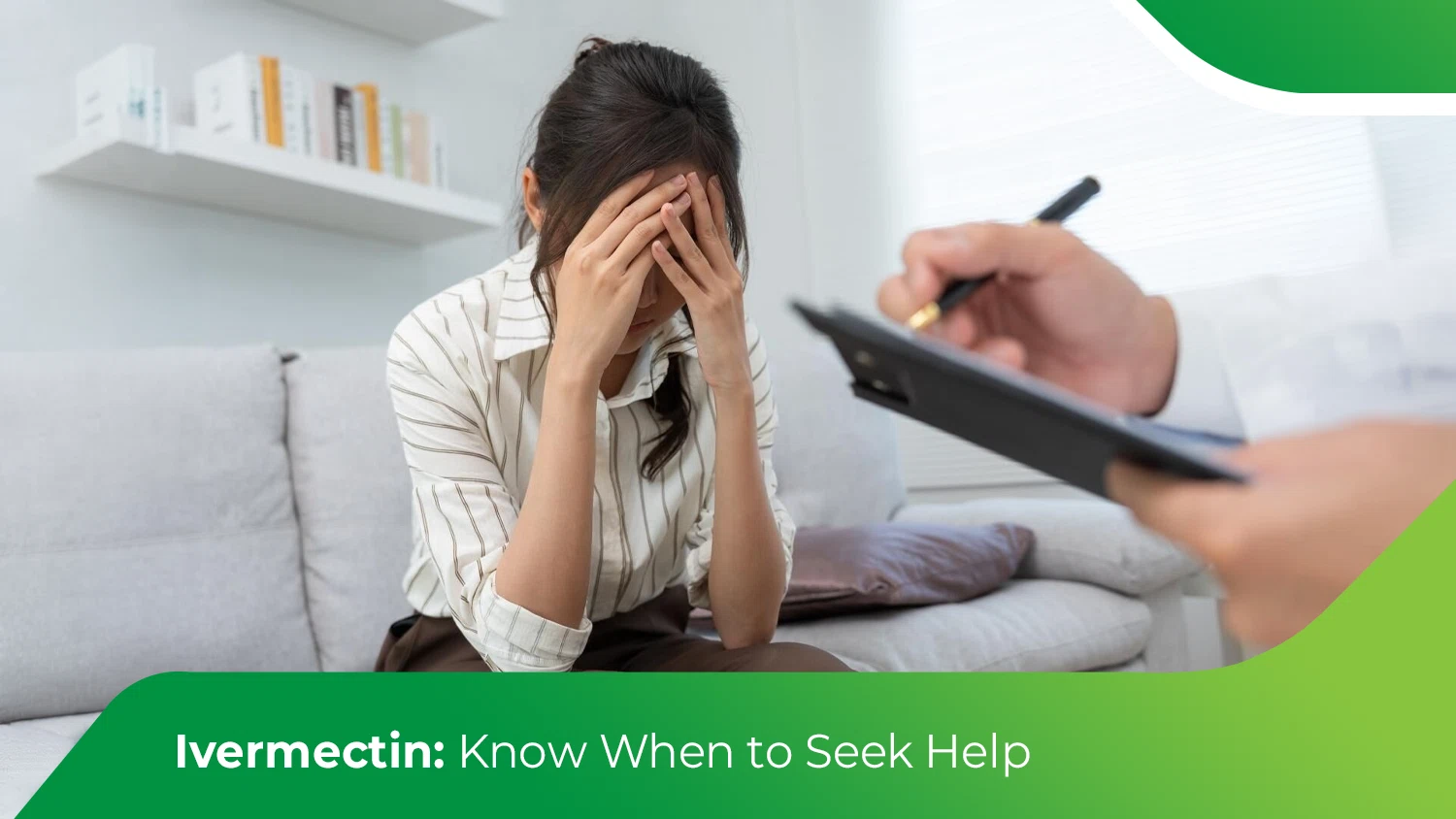

There’s something oddly reassuring about taking a pill and expecting things to just… settle down.
Like, you take it, you wait, and eventually your body listens.
That’s kind of the quiet promise behind ivermectin. Especially when it comes to something familiar likeCovilife 12 mg-a name people recognize, trust a little, maybe more than they should sometimes.
But here’s the part people don’t always sit with long enough: not every situation is meant to be handled at home.
And not every symptom should be brushed off just because you’ve already taken something.
When “it should’ve worked by now” starts creeping in
You take a dose. Maybe it’s Covilife 12 mg. Maybe you follow instructions… mostly.
And then you wait.
A day passes. Then another.
The itching is still there. Or the fatigue hasn’t lifted. Or something just feels… off.
This is usually where people pause, but not fully. They start negotiating with themselves.
“Maybe it needs more time.”
“Maybe I didn’t take enough.”
“Maybe one more dose will fix it.”
That “maybe” loop can go on longer than it should.
Because sometimes the issue isn’t the medication failing. It’s that the situation needs a different kind of attention altogether.
The quiet signs people ignore (until they don’t)
Not everything shows up dramatically.
In fact, most of the time, it’s subtle.
A rash that spreads a bit wider than before.
A headache that lingers longer than expected.
A kind of dizziness you can’t fully explain.
You notice it, but you don’t act on it.
And yeah, it’s understandable. No one wants to overreact.
But there’s a line somewhere between “this is normal” and “this needs checking.”
And honestly… it’s not always obvious where that line is.
Taking another dose isn’t always the answer
This part gets tricky.
Because if something works once, the instinct is to repeat it.
So if you’ve taken Covilife 12 mg and didn’t get the result you expected, the next thought is often: take it again.
Maybe sooner than you should.
Maybe more than recommended.
It doesn’t feel reckless at the moment. It feels practical. Logical, even.
But ivermectin isn’t the kind of medication where “a little more” equals “a little better.”
The body doesn’t always respond that way. Sometimes it pushes back.
And that pushback doesn’t always look dramatic-it can be slow, confusing, easy to miss.
When your body starts sending mixed signals
This is where things get frustrating.
Because symptoms don’t always move in one direction.
You might feel slightly better in one way, but worse in another.
The itching fades, but now there’s nausea.
Or the infection seems calmer, but you feel unusually tired.
It’s not clear what’s improving and what’s not.
So you wait again.
Sometimes too long.
And somewhere in that waiting, the idea of seeking help starts to feel like… maybe an overreaction.
Even when it’s not.
Allergic reactions don’t always look dramatic
People expect allergic reactions to be obvious. Like swelling, or trouble breathing, or something urgent.
And yes, that can happen.
But sometimes it’s quieter.
A mild rash that wasn’t there before.
A strange warmth in the skin.
A kind of discomfort that doesn’t quite fit into a category.
If you’ve recently taken Covilife 12 mg and something new shows up-even if it feels small-it’s worth paying attention.
Not panicking. Just… noticing properly.
Because small reactions have a way of becoming bigger when ignored.
The problem with self-diagnosing everything
The internet makes it easy to connect dots.
Too easy, actually.
You search for a symptom, you match it with something you’ve read before, and suddenly you’re confident you know what’s happening.
So you treat it accordingly.
Maybe with Covilife 12 mg again. Or something similar.
And sometimes you’re right.
But sometimes… you’re not even close.
Different conditions can look almost identical on the surface. What feels like a simple parasitic issue could be something else entirely.
And treating the wrong thing-even with the right medication-doesn’t really help.
It just delays getting actual help.
When symptoms stretch longer than expected
There’s a kind of mental deadline people set.
“If it’s not better in 3 days…”
“If this is still here by next week…”
But when that deadline passes, people don’t always act on it.
They extend it.
Another few days. Another week.
It’s not intentional. It just happens.
If you’ve taken Covilife 12 mg and things are still lingering beyond what you expected, that’s not something to casually stretch out forever.
It doesn’t mean something serious is happening.
But it does mean it’s worth asking someone who actually knows what they’re looking at.
Side effects that don’t feel like side effects
This one’s easy to miss.
Because not all side effects scream “medication issue.”
Some are vague.
Fatigue.
Lightheadedness.
A general sense of feeling off.
You might blame it on lack of sleep, stress, something you ate.
And maybe it is one of those things.
But if it started after taking Covilife 12 mg, it’s at least worth considering the connection.
You don’t have to jump to conclusions. Just don’t dismiss it too quickly either.
Mixing medications without thinking twice
This happens more than people admit.
You take one medication, then another, then maybe something over-the-counter.
Individually, they seem harmless.
Together… not always.
If you’ve taken Covilife 12 mg and you’re also using other treatments-prescribed or not-it can get complicated.
Not in an obvious way. More like a slow, subtle interference.
And unless someone with actual medical training looks at the combination, it’s hard to know what’s okay and what isn’t.
When it just doesn’t feel right anymore
There’s a point where logic steps aside and instinct takes over.
You can’t explain it clearly, but something feels off.
Not dramatically wrong. Just… not right.
A lot of people ignore that feeling.
They wait for something more concrete.
But that quiet sense of unease? It’s often the earliest signal.
If you’ve recently taken Covilife 12 mg and things don’t feel quite right afterward, even without clear symptoms, that’s enough reason to check in with a professional.
You don’t need a perfect explanation to seek help.
Delaying help doesn’t make things simpler
There’s this idea that waiting will make things clearer.
And sometimes it does.
But sometimes it just makes things more complicated.
Symptoms evolve. Reactions change. What could’ve been addressed early becomes harder to untangle later.
And then there’s the added confusion of not knowing what caused what.
Was it the original issue? The medication? Something else entirely?
When you’ve already taken something like Covilife 12 mg, adding time without clarity doesn’t always help.
It’s not about panic, it’s about timing
Seeking help doesn’t mean something terrible is happening.
It just means you’re choosing not to guess anymore.
There’s a difference between overreacting and responding at the right time.
And honestly, most people don’t overreact-they underreact.
They wait longer than they should.
They second-guess themselves into silence.
So… when should you actually reach out?
Not at the first tiny symptom.
But also not after weeks of uncertainty.
Somewhere in between.
If symptoms worsen instead of improving.
If new symptoms appear after taking Covilife 12 mg.
If something feels off and doesn’t settle.
That’s usually the window.
It’s not precise. It’s not clean.
But it’s enough.
A small pause before you decide “it’s fine”
Before brushing something off, it helps to just stop for a second.
Don’t overthink. Just… pause.
Ask yourself if things are actually improving, or if you’re just hoping they are.
There’s a difference.
And that difference is usually where the right decision sits.
FAQs
1. Can I take another dose if symptoms don’t improve?
Not without checking first. It’s not always safe to repeat doses.
2. What are common side effects of ivermectin?
Mild dizziness, nausea, or skin reactions can happen.
3. How long should I wait before seeking help?
If nothing improves in a few days or gets worse, don’t wait longer.
4. Is it safe to mix ivermectin with other meds?
Sometimes yes, sometimes no-better to confirm with a doctor.
5. What if I feel “off” but can’t explain why?
That’s enough reason to get checked. You don’t need clear symptoms.

Leave a Comment