
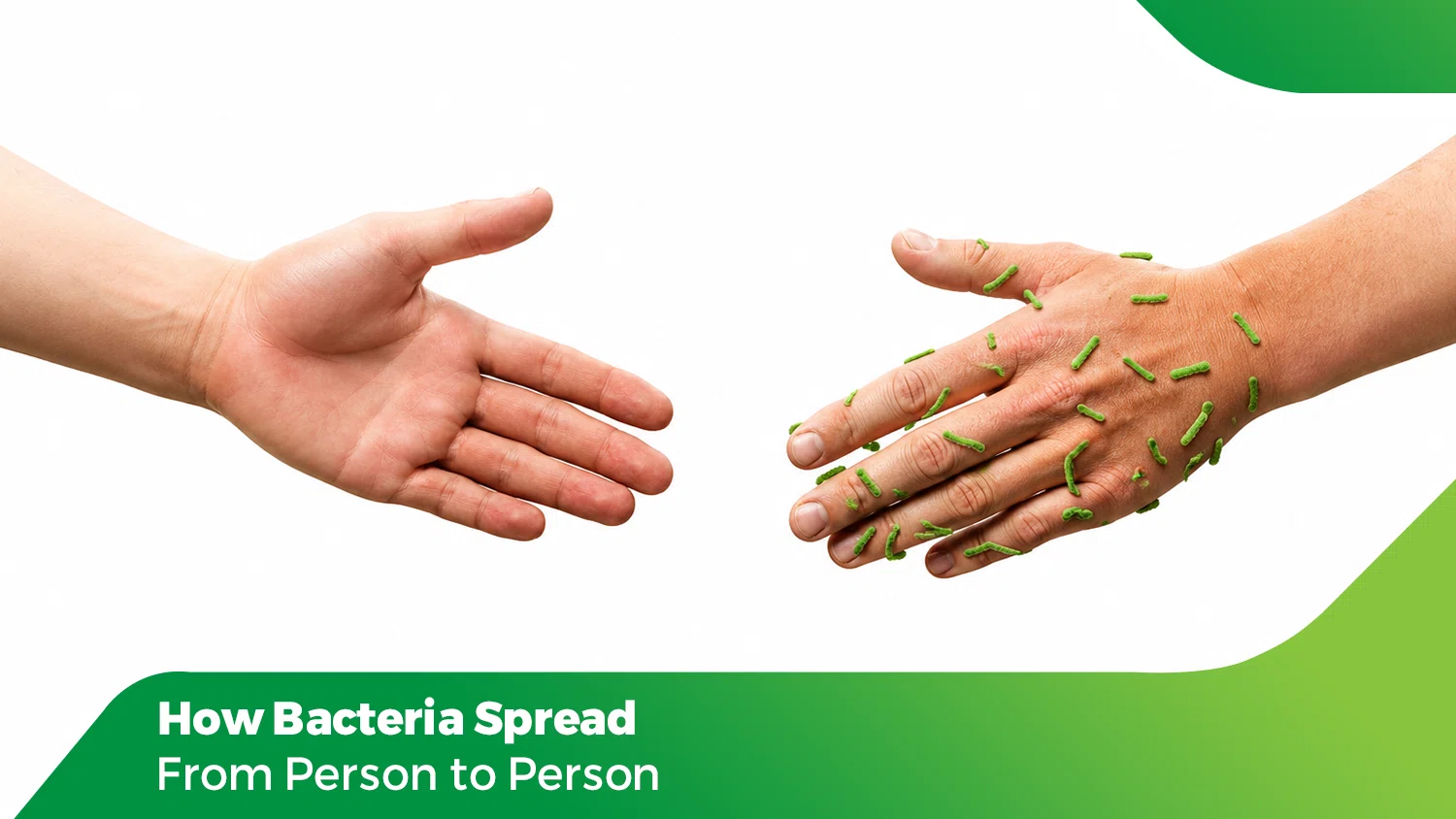

Bacteria are everywhere today in the air we breathe, in the surfaces we touch, in the food we eat, and also in the body. Many bacteria are harmless and are essential for helping digestion and maintaining overall health. Others can cause infections if they get into the body under the right circumstances. However, they are microscopic bacteria that remain unnoticed in daily activities and that facilitate the transmission of infections from one person to another. Simply put, the ways in which bacteria are transmitted include handshaking, contact with contaminated objects, and sharing personal items or preparing food without adequate hygiene. Awareness of these hidden pathways is vital to lowering the risk of disease and safeguarding you and your loved ones. For instance, when an infection is caused by harmful bacteria that the body’s immune system is unable to remove on its own, healthcare professionals may recommend antibiotics such as Vemox 500mg. This can be used to treat a range of bacterial infections and should always be taken under healthcare supervision.
What are Bacteria?
They are the tiny cells that live almost everywhere on the planet. They can be so tiny that we can not see them with our naked eye. Not all bacteria are harmful. Some help to make vitamins, break down food, and also fight off harmful bacteria. Some cause diseases such as bacterial pneumonia, strep throat, skin infections, urinary tract infections, and food poisoning. If the bacteria get inside the body, it multiplies quickly and release toxins, which can damage tissues. Common sources of bacteria are contaminated food and water, unwashed hands, shared personal items, public surfaces, pets, and infected individuals. The bacteria can survive in many environments, and it is important to practice good hygiene along with following the basic infection prevention measures below in order to reduce the risk of bacterial infections.
The Direct Contact
This can be one of the simplest ways to spread bacteria through direct physical contact with an infected person. For eg: Handshakes, kisses, hugs, or touching infected skin can transfer bacteria from one person to another. However, if the bacteria enter the body through small cuts, the eyes, nose, or mouth, they can lead to an infection.
The respiratory droplets
The tiny respiratory droplets released when an infected person coughs, sneezes, laughs, or even talks can spread and cause bacterial infection. If the person inhales these droplets or touches a contaminated surface and then touches their face, then the bacteria enter the respiratory tract and cause infection.
About the contaminated surfaces
Bacteria do not always require direct person-to-person contact to spread. Their species can survive on everyday objects for hours or even longer, depending on the environmental conditions, such as Door handles, Computer keyboards, Mobile phones, TV remotes, Shopping carts, Elevator buttons, Light switches, and Faucet handles. These are common examples of bacteria on surfaces that people touch repeatedly throughout the day.
Water and food
Worldwide, foodborne bacteria remains one of the leading causes of bacterial infection. Sometimes kitchen hygiene is also mandatory, such as contaminated drinking water. Not preparing food can cause illness. It can also happen when the same utensils are used for cooking foods without proper cleaning.
Animals and Insects
When bacteria are passed through contact with other animals or insect bites. For e.g. Pets, farm animals, reptiles, and birds can carry bacteria without appearing sick themselves. Handling animal waste, cleaning cages, or touching animals without washing hands afterward can cause the risk of exposure.
Everyday Habits That Spread Bacteria
Many infections begin with harmless everyday habits. Bacteria are invisible to the naked eye and can easily be transferred through routine activities without us even knowing. Simple changes to your daily routine can lessen the risk of bacterial transmission.
How to wash your hands
Each day our hands touch a lot of different things such as door handles, keyboards, money, and shopping carts. When you touch your eyes, nose, or mouth without washing your hands, bacteria can easily get into your body. The best way to avoid infection is to wash your hands with soap and water for at least 20 seconds.
Frequently Touching Your Face
Many people unconsciously touch their face many times an hour. However, bacteria can survive on your hands after touching contaminated objects, and this habit can provide an easy route for germs to enter through the eyes, nose, or mouth.
Sharing Personal Items
If you are sharing the items such as towels, razors, toothbrushes, water bottles, and cosmetics can carry bacteria from one person to another. Avoid sharing personal hygiene products, especially if someone is ill or has a skin infection.
Poor Kitchen Hygiene
The kitchen is one of the places where bacteria spread most often. If you use the same cutting board for raw meat and veggies, don’t wash your fruits and veggies, and leave cooked food out at room temperature too long, you increase the risk of a bacterial infection.
Using electronic devices without cleaning them
Mobile phones, tablets, laptops and remote controls. Bacteria can build up on electronic devices throughout the day, so they should be regularly cleaned as part of your personal hygiene.
What is Vemox 500 mg medication?
Vemox 500 mg medication is an antibiotic capsule to treat many types of bacterial infections. It contains amoxycillin trihydrate. It works by inhibiting the synthesis of the bacterial cell wall and destroying susceptible bacteria. It works by stopping the production of the bacterial cell wall and killing the bacteria sensitive to it. If you stop taking it too soon, the resistance may develop, and not all the bacteria may be wiped out. This medication must always be taken under medical supervision.
How it works: Stops the formation of important cell walls which protect bacteria and stops the bacteria growing.
Dosage: It is always taken exactly as prescribed by your doctor. Usually it is taken with a meal to prevent stomach upset.
Remember, you must finish the full prescribed course even if you start to feel better early and to prevent bacteria from returning or becoming resistant.
The possible side effects
Vemox 500 mg can cause certain side effects. However, most of them are mild and self-limiting, such as headache, rash, diarrhea, vomiting, and nausea.
When does the bacterial infection need treatment?
Bacteria live in many places, but not all bacteria cause illness. Normally, a healthy immune system can clear harmful bacteria before they cause infection. But if the bacteria multiply rapidly, or get into more vulnerable parts of the body, medical treatment may be needed. A health care professional can determine whether an infection is caused by bacteria on the basis of the medical history, the symptoms, and sometimes by testing it in a laboratory. Antibiotics should only be prescribed for infections that are known or strongly suspected to be caused by bacteria, because they do not work against viruses such as those that cause the common cold or flu.
Conclusion
Bacteria are everywhere today. But sometimes they can be dangerous, and they spread quickly by touch, contaminated surfaces, food, water, and daily habits. Maintaining good hygiene, such as washing hands during food preparation and cleaning food surfaces, can also prevent bacterial infection. If you need medical treatment to kill harmful bacteria, your healthcare provider can recommend antibiotics such as Vemox 500 mg. Use antibiotics only as directed by your health care provider. The best results are achieved when the entire treatment is performed.
FAQs
1. How do bacteria pass from person to person?
If there is contact with an infected person or animals, it can cause infection through respiratory droplets, food, and water.
2. What can be the source of bacteria in everyday life?
Sources include such as mobile phones, unwashed hands, door handles, shared personal items, kitchen surfaces and public spaces.
3. When can the healthcare provider recommend Vemox 500mg?
Vemox 500 mg medication is used to treat various bacterial infections such as throat, ear, respiratory, skin, urinary tract, and dental infections.
4. How should I prevent the bacterial infection from spreading in the body?
By proper hygiene, such as eating fresh food, not sharing personal items, washing hands regularly, and maintaining personal hygiene.
5. What are the signs of a bacterial infection?
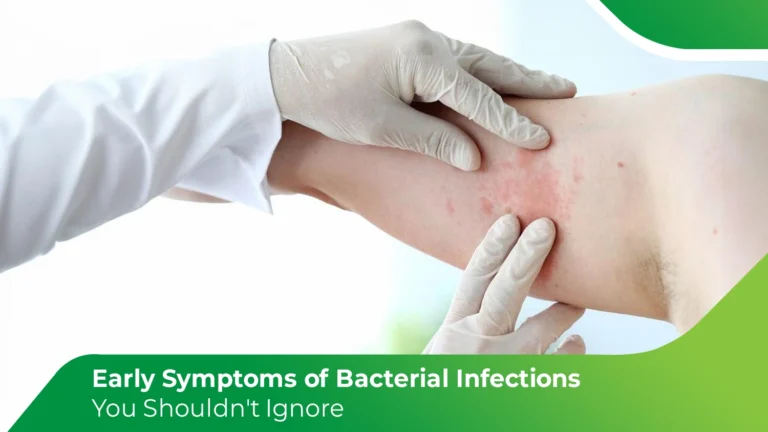
The common signs of a bacterial infection include fatigue, fever, localized pain, swelling or redness, and coughing.
Leave a Comment