

You’re down with a fever and the first thing that comes across your mind is that …. Is it an antibacterial infection? Do I need to take an antibiotic? Not all infections are caused by bacteria. Some infections are also due to parasites. Let’s see the difference between antiparasitic and antibiotic medications and their safe and effective use for infections rather than causing resistance.
What are Antiparasitic medications?
Antiparasitic medications are used to treat parasitic infections. Do you know what parasitic infections are? Let me tell you.
Parasitic infections are any diseases or conditions that are caused due to organisms living in the body and reproducing as well. Antiparasitic medications either kill or stop the reproduction of the parasites. Some of the common antiparasitic medications are:
- Albendazole: Used for intestinal worms and some tissue infections
- Fenbendazole: Commonly prescribed for pinworms and roundworms
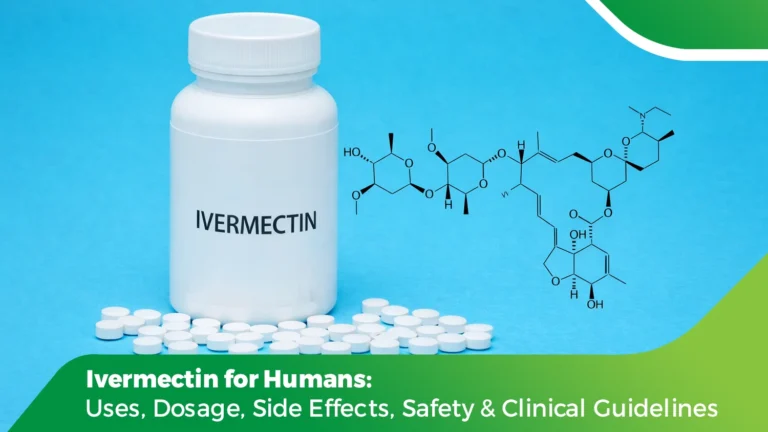
- Ivermectin: Used for certain worm infections and external parasites. E.g. Ivermectol 12 mg
- Metronidazole: Treats protozoal infections like giardiasis
The common infections that are being treated by the medication are:
- Intestinal worm infections
- Parasitic eye infections
- Skin infections like scabies

What are Antibiotics?
Antibiotics are the one that treats the bacterial infections. Bacterial infections are the ones caused by bacteria. Bacteria are transmitted to humans through air, water, food or contaminated environments. These medications do not work against parasites or viruses.
Antibiotics work either by:
- Killing bacteria directly
- Preventing bacteria from multiplying
- Interfering with bacterial cell walls or protein production
The common type of antibiotics are:
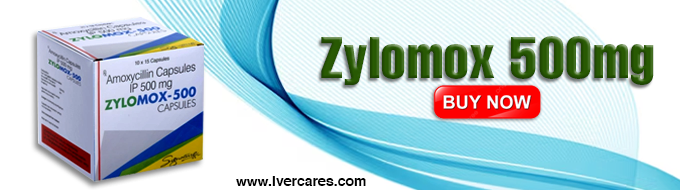
- Amoxycillin: Used for the treatment of ear, respiratory and throat infections. E.g. Zylomox 500 mg
- Azithromycin: This is majorly used to treat respiratory and skin infections
- Doxycycline: Used for acne, tick-borne diseases, etc
- Cephalexin: Effective for acute to chronic Urinary Tract Infections, Skin infections, etc.
Key differences between Antiparasitic and Antibacterial medications
| Features | Antiparasitic | Antibiotic |
| Target organism | Parasitic agents including helminths, protozoa, ectoparasites | Bacteria |
| Mechanism | Kill the parasites and stop their ability to absorb nutrients and reproduce | Kill bacteria or stop their growth by targeting cell walls or protein synthesis |
| Commonly used for | Intestinal worms, protozoal infections, eye parasitic infections | Respiratory infections, UTIs, skin infections, bacterial throat infections |
| Works for worms? | Yes | No |
| Works for viruses? | No | No |
| Common side effects | Nausea, abdominal pain, headache | Yeast infections, diarrhoea, allergic reactions |
| Risk of Resistance | Possible | Global health concern |
| Example | Ivermectol 12 mg | Zylomox 500 mg |
Why does the correct diagnosis change the path?
Common symptoms of infections are:
- Diarrhoea
- Eye redness
- Skin rashes
- Fatigue
All these symptoms can be caused by bacteria, parasites, viruses, or even non-infectious conditions.
For instance, a bacterial infection may respond to antibacterial agents like Zylomox 500 mg. On the other hand, a worm infection would require antiparasitic medications like Ivermectol 12 mg.
Taking wrong medications may:
- Delay proper treatment
- Cause adverse effects
- Lead to resistance
- Mask symptoms temporarily
Medical evaluation and laboratory testing often determines the correct therapy.
Antibiotic Resistance: A Growing Concern
One of the major issues the world is facing is antibiotic resistance. Overusing antibiotics or taking them when they are not needed allows bacteria to evolve and become difficult to treat.
According to the Centres for Disease Control and Prevention, misuse and overprescribing contribute significantly to resistant infections.
Common causes of resistance include:
- Taking antibiotics for viral illnesses
- Stopping antibiotics too early
- Using leftover prescriptions
- Self-medicating without medical advice
Antiparasitic medications, while important, must also be used responsibly to avoid treatment failure.
Can You Take Antibiotics and Antiparasitic Together?
In some cases, yes.
There can be two infections occurring at the same time, a parasitic infection can lead to secondary bacterial complications. In such situations, a healthcare provider may prescribe both types of medication like Zylomox 500 mg and Ivermectol 12 mg.
However, combining medications without medical supervision is unsafe and not recommended.
Side-effects
Antibiotic Side Effects include
- Nausea
- Diarrhoea
- Yeast infections
- Allergic reactions
- Disruption of gut microbiome
Antiparasitic Side Effects include
- Abdominal discomfort
- Headache
- Dizziness
- Temporary fatigue
Most side effects are mild, but severe reactions require immediate medical attention.
Prevention Strategies
Preventing infection reduces the need for medication altogether.
To Prevent Bacterial Infections:
- Wash hands regularly
- Do not consume raw meat
- Avoid touching your face
- Vaccinate time to time
- Disinfect surfaces
To Prevent Parasitic Infections:
- Wash fruits and vegetables thoroughly
- Use bottled or treated water while traveling
- Cook meat properly
- Use insect repellents
- Deworm pets
- Wash hands after handling pet waste and dispose of faeces properly.
Prevention is often the most effective form of treatment.
Final Thought
Antiparasitic and antibiotic medications are powerful kit in modern medicine but they treat very different types of infections. Accurate diagnosis, patient education and responsible prescribing of the medication helps in correct use of the medicine. If symptoms persist or worsen, professional medical evaluation is essential. Self-diagnosis and self-medication should not be followed as this can be dangerous.
Understanding the basic difference between these medications empowers patients to make informed decisions and supports safer healthcare practices.
FAQs
1. What can I do to prevent infections?
Preventing infections can be done by following strict hygiene practices, safe food and water intake and protection against insects and mites.
2. What is the basic difference between antiparasitic and antibiotics?
Antiparasitic medications are used to treat parasitic infections whereas antibiotics are used to treat bacterial infections.
3. Can antiparasitic medications be used during pregnancy?
No. Some antiparasitic medications should not be used during early pregnancy.
4. How serious is antibacterial resistance?
Antibacterial resistance can be quite devastating and costly for many families as it increases hospital stays, medical follow-ups, etc.
5. How do doctors know if an infection is bacterial or parasitic?
Doctors use lab tests such as blood work, stool analysis, or imaging to identify the type of infection.
Leave a Comment