
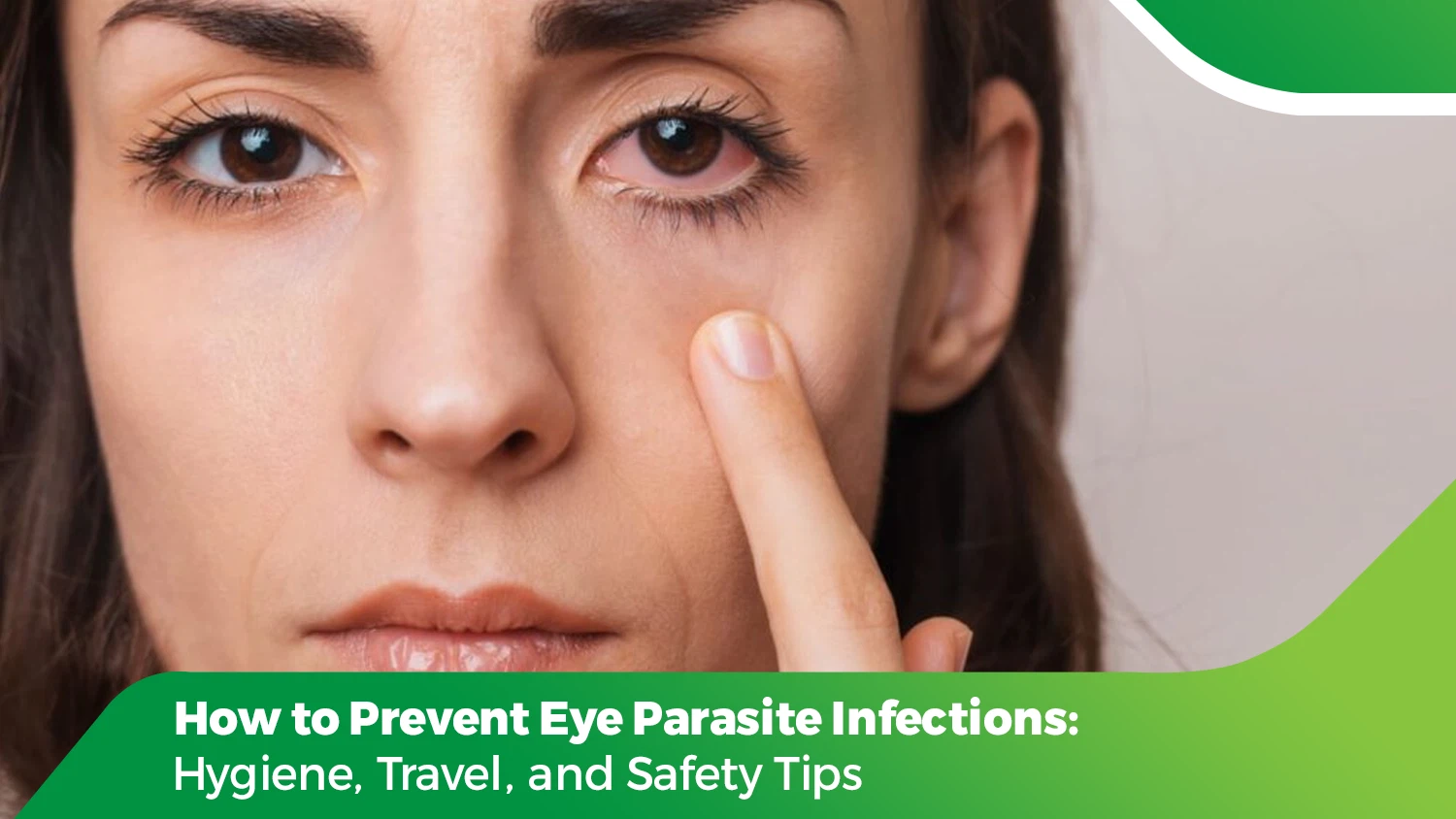

What if something as simple as a splash of water, a dusty breeze, unwashed hands, poor contact lens hygiene can put your vision at risk? This is something that scares every individual. Following good hygiene practices, using washed hands to touch your eyes can always prevent eye infections. “Prevention is better than cure” is a proverb highlighting that it is wiser, safer, and more efficient to take proactive measures to avoid problems (diseases, accidents, or failures) than to deal with their consequences afterward. Thus, preventing eye parasite infections should be of high priority then treating them. Let’s take a dig at how to prevent Eye parasite infections.
What is Eye parasite infection?
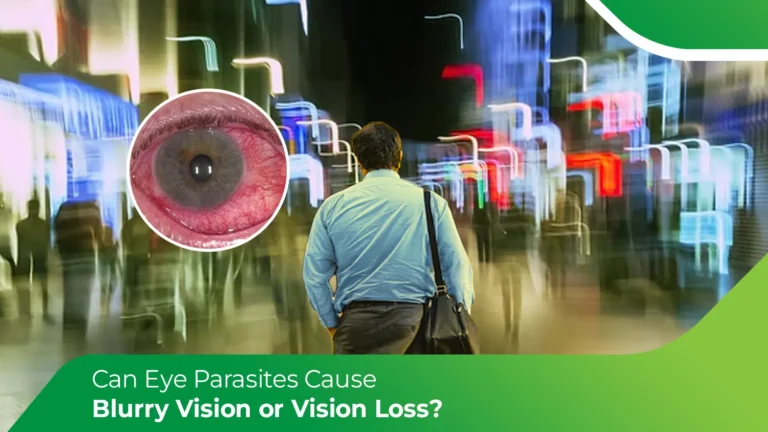
An eye infection is a condition that affects the eye due to a micro-organism like a bacteria, virus or parasite. Right now, we are focusing on eye parasitic infections and these are the ones caused by parasites. These are rare but serious conditions that infect various parts of the eye including conjunctiva, iris, retina, sclera and the surrounding regions as well. They can cause severe discomfort, inflammation and potential vision loss if not diagnosed and treated at the earliest. Never ignore the symptoms like persistent eye pain, redness, blurry vision, etc. as these symptoms if ignored can lead to major loss.

What causes Eye parasite infections?
The causes of eye parasite infections are:
- Contaminated water and soil
- Insect bites (mites, mosquitoes, flies, etc.)
- Poor contact lens hygiene
- Weak immune system
- Eye infections
- Direct contact with the parasites and parasite migration
- Foodborne infections
- Travelling to places that are highly prone to such infections
Having a good understanding of the causes of the infections is often the first step to prevention. Whenever we are aware of something that is going to hurt us we take extra care and thus in this case as well the infections can be prevented if extra care is taken. Iverjohn 12 mg can be used to treat such infections.
Hygiene tips to prevent Eye parasitic infections
Good hygiene is the shield to protect and prevent eye parasitic infections. Below are the few tips to follow good hygiene:
- Wash your hands frequently
- Practice safe contact lens hygiene
- Avoid contaminated water
- Avoid rubbing your eyes
- Avoid sharing personal items like makeup, eye drops or towels to stop the spread of infections.
- Change pillowcases and sheets regularly in hot water to eliminate mites and bacteria.
- Avoid swimming in untreated water
- Replace eye makeup regularly. Check the expiry of the products.
- Wash hands after pet care
- Cook meat thoroughly to avoid parasitic infections
- In areas with high insect populations, use insect repellants and avoid skin exposure.
- Wear sunglasses to avoid dust and pollen entering the eyes.
In cases where such tips don’t work and you get infected, medications such as Iverjohn 12 mg could be used to treat eye parasitic infections under supervision of a healthcare provider.
Travel Safety Tips to Protect your eyes
Travelling to tropical or rural areas increases the risk of infections. To avoid these infections, make sure to follow the correct measures like:
- Protect Yourself from Insect Bites
Some parasites are transmitted through flies or mosquitoes, including:
- Onchocerciasis (river blindness caused by blackfly bites)
To reduce risk:
- Use insect repellent
- Wear protective clothing
- Sleep under mosquito nets in high-risk areas
- Be Cautious with Food and Water Abroad
- Drink bottled or purified water
- “Cook it, boil it, peel it or forget it”: Avoid raw or undercooked meat. Eat only well-cooked meat.
- Wash fruits and vegetables thoroughly
- Be careful with Buffets: Food is often left uncovered in the buffets and thus such food should be avoided as it might contain fly contamination.
- Avoid raw seafood
Contaminated food can indirectly lead to infections affecting the eyes. Make sure to carry medications such as Iverjohn 12 mg when travelling if such infections occur.
- Avoid Sharing Personal Items
Sharing personal items can often feel harmless but it can also be one of the reasons for eye infections. Never share:
- Towels
- Makeup
- Pillow cases
- Contact lenses or lens cases
- Eye drops
Cross-contamination increases infection risk. Even if someone appears healthy, they might still have organisms without visible symptoms. For strong protection simple steps need to be followed.
Early symptoms to look for
Seek immediate medical help if the following symptoms are seen:
- Severe and unbearable eye pain
- Persistent redness
- Blurred vision
- Light sensitivity
- Excessive tearing
- Eye floaters
When to See a Doctor
If symptoms worsen or do not improve within 24-48 hours, consult an ophthalmologist immediately.
Final Thoughts
Eye parasite infections are uncommon but potentially serious. The best protection lies in consistent hygiene, safe travel practices, clean water precautions, and proper eye care.
Simple habits like washing hands, handling contact lenses safely, protecting yourself from insects, and avoiding contaminated water can drastically reduce your risk.
Prevention is always easier than treatment. Protect your eyes daily, and they will serve you well for a lifetime.
FAQs
1. Are eye parasite infections common?
Eye parasite infections are one of the rarest infections especially in developed countries.
2. Is Onchocerciasis a type of eye parasite infection?
Yes. Onchocerciasis is caused by a parasitic worm transmitted through blackfly bites and can lead to permanent vision loss if untreated.
3. Are these infections treatable?
Most eye parasite infections are treatable if diagnosed early.
4. What medications are effective for the treatment of eye parasitic infections?
Antiparasitic medications such as Iverjohn 12 mg can be effective for the treatment.
5. Are contact lens users at higher risk?
Yes. Improper lens hygiene, using tap water to clean lenses, or swimming while wearing lenses increases the risk of eye infections, including parasitic keratitis.
Leave a Comment