

You know what has been growing now-a-days? Self-medication. Everybody thinks that they are doctors. just put your symptoms on Google and get the results. It is not this simple. Not every medicine that you take by listening to Google is going to be beneficial to you. Self‑medicating for parasites can do more harm than good if you don’t know exactly what you’re dealing with. Parasitic infections are more common than many people realize, especially in areas with unsafe water, poor sanitation, or frequent travel. When symptoms appear, some people turn to self‑medication hoping for quick relief. While that may seem convenient, treating parasites without proper diagnosis can be risky. Here’s what you should know before taking matters into your own hands.
What are Parasitic Infections?
Parasites are living things that use other living things – like your body – for food and a place to live. You can get them from contaminated food or water, a bug bite, or sexual contact. Some parasitic diseases are easily treated and some are not. A parasitic infection is a condition caused by parasites. Parasites can cause a variety of infections, ranging from mild to deadly and some cause adaptive immune responses. These infections can be transmitted in a number of ways.
For example, Fenbendazole Tablet targets specific worm types like roundworms and hookworms. But what if your symptoms come from:
- Giardia (a protozoon, not a worm)
- Bacterial infection
- IBS
- Food intolerance
- Tapeworm
Why do people self-medicate for Parasites?
Few of the reasons why people self-medicate are:
- Easy access to medicines
- Financial constraints
- Lack of access to healthcare professionals, nurses
- Slow clinical processes
- Desire to avoid visiting the hospital
- Successful treatment in the past
- Advice from family members, friends or other individuals
- Lack of awareness regarding the consequences that can occur due to self-medication
- Self-confidence that their diagnosis is correct

Risk of Self-medication
Self-medicating for parasites involves a lot of risk like:
1. Wrong Diagnosis
The major reason for self-medication is wrong diagnosis. Not all stomach problems or skin itching are caused by parasites. Using antiparasitic drugs unnecessarily can delay the correct diagnosis.
2. Incorrect Drug Choice
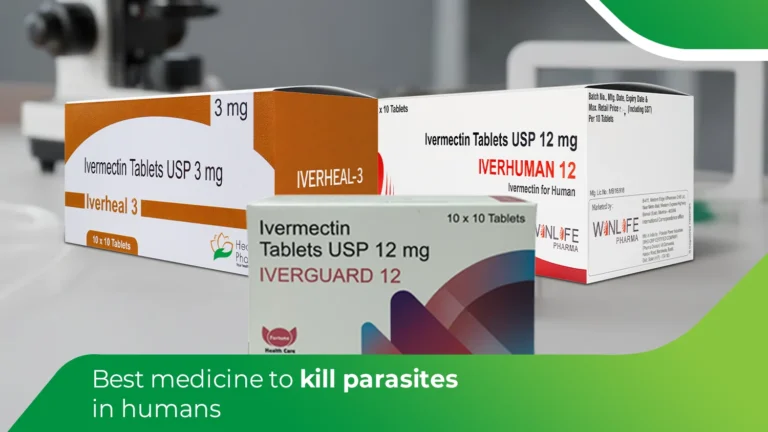
Not all medications work for all the parasites. A drug effective for worms may not work for protozoal infections and vice versa. It is not necessary that Ivermectin is effective for all infections.
3. Improper Dosage
Dosage required to kill the parasites depends on the severity of the disease. Taking too little may not kill the parasite, while taking too much can lead to toxicity, liver damage, or neurological side effects.
4. Drug Resistance
Drug resistance is an increasing condition due to which many medications are failing. Incomplete or inappropriate treatment can help parasites develop resistance, making future infections harder to treat.

5. Side Effects and Interactions
Antiparasitic medicines can cause nausea, dizziness, allergic reactions, and may interact with other medications you are taking. Co-administration should always be cross-checked with the healthcare provider.
Common Symptoms that need Medical Intervention
Heart Attack Symptoms:
Persistent chest pain, breathing problems, pain in the left arm are usually signs of heart attack. So, do not ignore such signs.
- Severe Injury or Bleeding:
Persistent blood in the stool or diarrhoea, uncontrolled bleeding, deep wounds, head injury with lack of consciousness
- Respiratory issues:
Severe shortness of breath, choking or unable to catch breath
- Mental status changes:
Sudden confusion associated with unresponsiveness and difficulty in getting up.
High or persistent fever (103℉)
- Unusual bleeding
- Sudden changes in the vision
- Worms seen in stool or vomit
- Anaemia
- Extreme fatigue
- Unexplained and sudden weight loss
Why does correct diagnosis matter?
Proper diagnosis is the foundation of effective parasite treatment like Ivermectin, Fenbendazole. Different parasites cause similar symptoms but require very different medicines, doses, and treatment durations. Healthcare professionals use stool tests, blood tests, imaging, and your medical history to detect the exact organism responsible for the infection. This prevents unnecessary medication, reduces the risk of side effects, and ensures the parasite is completely eliminated rather than temporarily suppressed. Accurate diagnosis also helps detect complications early and protects you from repeat infections or drug resistance. Accurate diagnosis minimises the risk associated with self-medication, patient suffering and the extra cost that might come up due to overdose or any other interactions.
Key reasons why a correct diagnosis matters include:
- Improved Treatment Outcomes: An accurate diagnosis is the foundation for effective treatment, ensuring the right therapy is initiated promptly, which is critical for life-threatening conditions like cancer.
- Safety and Avoiding Harm: It stops the use of wrong, ineffective, or perhaps harmful therapies, which lowers the chance of problems.
- Cost and Time Efficiency: It saves time and money by getting rid of therapies that don’t work for illnesses that are wrongly diagnosed.
- Psychological Relief: A clear, exact diagnosis helps patients comprehend what’s wrong with their health, which makes their symptoms more real and lowers their fear and uncertainty.
- Early and correct diagnosis, especially for long-term or serious disorders, leads to better long-term results and higher survival rates.
Final Thoughts
Self‑medication for parasites may seem like a quick fix, but it can lead to misdiagnosis, treatment failure, and serious health complications. Parasitic infections are treatable with medications like Ivermectin, Fenbendazole but only when managed correctly. Seeking medical advice ensures safe, effective treatment and protects your long‑term health.
If you suspect a parasitic infection, the smartest step isn’t self‑medication- it’s proper diagnosis and professional care.
FAQs
1. Is itching always a sign of worms?
No. Itching can be caused by allergies, skin conditions, fungal infections, or liver issues, not just parasites.
2. Can untreated parasites cause long‑term damage?
Yes. Chronic infections can affect the health drastically and least to conditions such as anemia, malnutrition, organ damage, and weakened immunity.
3. Are herbal or natural remedies safe for treating parasites?
Not all natural remedies are safe. Many may delay effective treatment or can lead to interactions.
4. What is the safest way to treat parasites?
Accurate diagnosis followed by medications prescribed by the healthcare provider and completion of the full treatment course is pivotal.
5. Can parasites come back after treatment?
Yes. Reoccurrence of an infection is possible if hygiene and environmental precautions are not followed.
Leave a Comment