
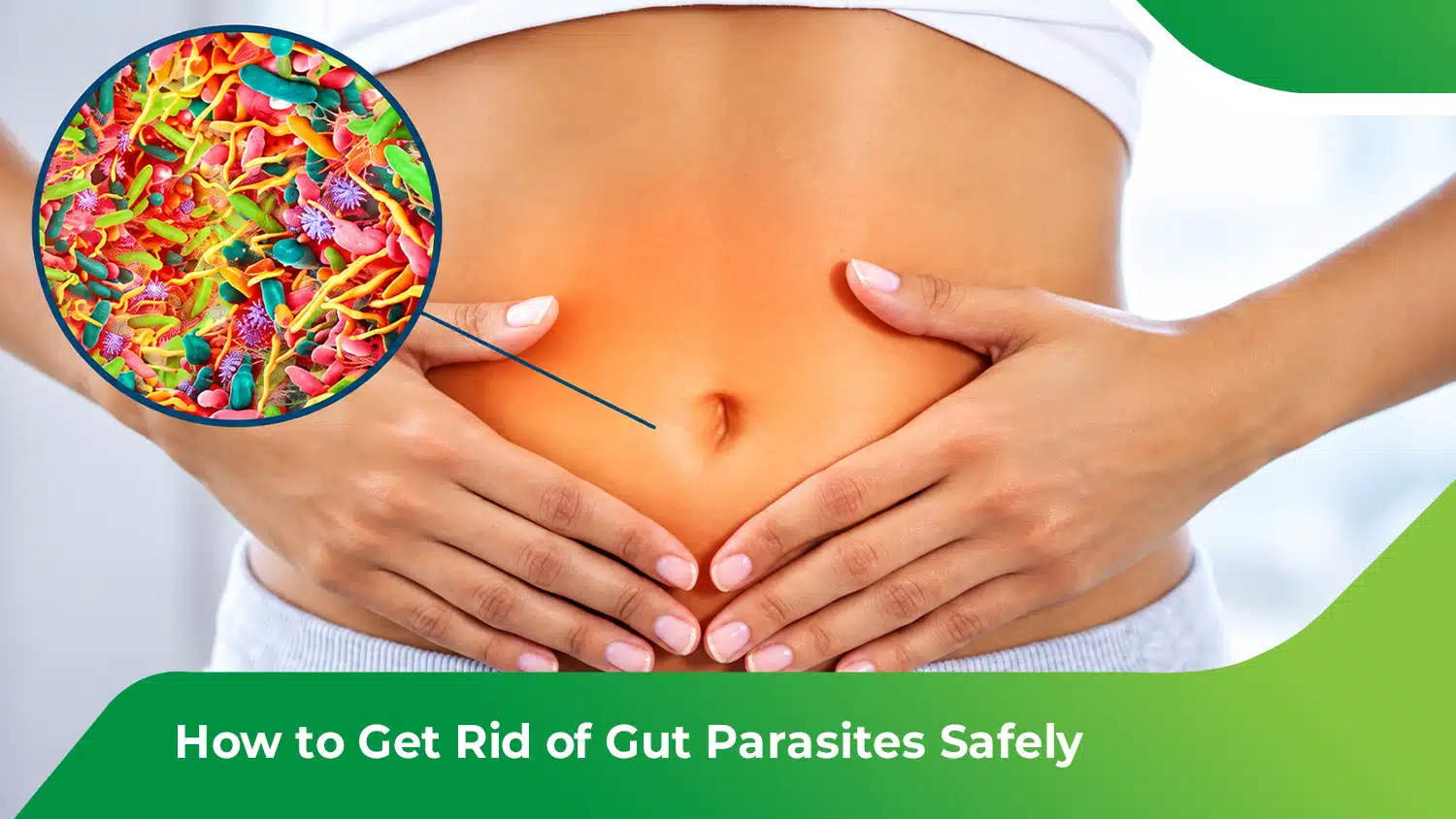

Ok so gut parasites. Not exactly a topic anyone wants to Google at 11 pm, but here we are, and honestly, a lot of people end up here after months of feeling “off” and doctors just shrugging.
Just going to lay this out the way I’d explain it to a friend who texted me, “Wait, do I have worms??”
So what even are these things
Intestinal parasites are organisms worms, protozoa, whatever that basically move into your gut uninvited and start living off what you eat. Sometimes they cause chaos immediately. Sometimes they just… sit there for years being annoying in small ways.
Some people get them from undercooked meat. Some from contaminated water while traveling. Some come from touching soil and then eating without washing hands (kids do this constantly; adults pretend they don’t).
Doesn’t really matter how dramatic the source is. The gut doesn’t care.

The symptoms nobody connects to parasites
This is the part that gets me. Parasite infection symptoms are so vague that people blame stress, bad food, IBS, or whatever’s trendy that month. The general parasite symptoms list fatigue, bloating, and weird appetite changes could honestly describe half the population on any given Tuesday.
Bloating after basically every meal. Abdominal pain that comes and goes for no clear reason. Fatigue that sleep doesn’t fix. Sometimes itching around the… Yeah, you know where. Sometimes nothing visible at all, just this general sense that digestion isn’t working right anymore.
I’ve read that some people lose weight without trying; others feel hungrier than usual. It’s honestly inconsistent, which makes it more confusing, not less.
Intestinal worms can sometimes be seen. I won’t get graphic, but a lot of the time there’s nothing to “see,” which is exactly why people go undiagnosed for ages.
Signs of gut parasites vs. just having a bad stomach week
Ok, here’s where it gets annoying. A bad stomach week from spicy food or a rough night out looks kind of similar on the surface. Bloating, cramping, and irregular bathroom trips.
The difference is usually duration. If it’s been weeks, not days, and nothing you change about your diet actually fixes it, that’s when you start wondering.
Some people also notice symptoms of gut parasites getting worse specifically after eating sugar or refined carbs, which sounds made up, but there’s a reason a lot of these organisms apparently thrive on sugar. Not saying cut sugar and you’re cured. Just saying it’s a pattern some people report.
How do you know if you have gut parasites, actually
Short answer: you often don’t, not without testing. That’s the frustrating bit.
A stool test is usually the first real step doctors recommend, and honestly it’s not glamorous, but it works. Sometimes one test misses it, and they ask for another sample a few days later because these things don’t always show up consistently. Which is fair but also annoying when you just want an answer.
Blood tests exist too for certain parasite types. Some clinics do a combination. There’s no single perfect test, unfortunately, so trust your gut here (pun kind of intended, sorry).
Why this messes with more than just your stomach
People don’t realize how much nutrient absorption depends on a functioning gut lining. When something’s feeding off your food before your body gets to it, you can end up low in iron, B12, and all sorts of stuff, even while eating normally.
That’s honestly how some people first get flagged: no stomach symptoms at all, just random fatigue and low iron on a blood panel, and the doctor starts asking more questions.
Digestive parasites basically hijack part of the process. Not always a huge chunk. But enough that over months it adds up.
Ok, so what actually helps
This is the part everyone wants, and I’ll be honest: there’s a real medical route, and there’s a “support your gut while treating it” route, and both matter.
For how to get rid of gut parasites naturally, a lot of people talk about things like raw garlic, pumpkin seeds, papaya seeds, and certain bitter herbs. I’ll say this plainly: there’s some traditional and anecdotal backing for these, not massive clinical proof. They might help as support. I wouldn’t rely on them alone if a test’s already confirmed something’s there.
The actual medical treatment usually comes down to antiparasitic medication. Doctors commonly prescribe Albendazole 400 mg Tablet for various types of worm infections; it’s one of the more widely used options because it covers a decent range of parasites.
You take it as directed, usually a short course, sometimes repeated after a couple of weeks depending on what’s found. Not something to just self-dose without a doctor confirming what you’re actually dealing with, though, because different parasites need different approaches, and the Albendazole 400 mg Tablet isn’t a one-size-fits-all fix for every single type.
Alongside that, hydration, easing off sugar for a bit, probiotics after the treatment course (not during; some doctors say wait), and just… patience. Gut lining takes time to recover even after the parasites are gone.
The natural remedy debate that never ends
Every time this topic comes up online, someone insists you can clear gut parasites with garlic and apple cider vinegar alone, and someone else insists that’s nonsense and you need medication, full stop.
Honestly? Probably depends on severity. A mild case, caught early, maybe diet changes help more than people expect. A heavier infestation probably needs actual medication, and pretending otherwise could just let it drag on longer.
I lean toward getting tested first; don’t guess.
Random things people don’t ask about but should
Reinfection is a thing. You can treat it and get it again if the source is contaminated water, unwashed produce, or whatever isn’t addressed.
Pets can be a source too sometimes, which people forget.
Also, cooking meat properly still matters more than people think, especially pork and certain fish. It feels obvious, but somehow this still catches people out.
When to actually go see someone
If bloating and abdominal pain have been sticking around for over two or three weeks. If you’ve traveled somewhere with less reliable water sanitation recently. If your energy’s tanked and blood work shows low iron with no clear reason.
Don’t just guess-treat yourself with random pills off the internet. Get the stool test, get an actual answer, then treat what’s actually there.
Anyway. That’s roughly the whole picture: messy, inconsistent symptoms, testing that isn’t perfect, and treatment that usually needs a doctor’s input rather than pure guesswork. Gut health stuff rarely has a neat answer, this included.
FAQs
- Can gut parasites go away on their own?
Sometimes mild ones might, but most need proper treatment to fully clear.
- How long does treatment usually take?
Often a few days to a couple of weeks, sometimes repeated after a short gap.
- Do gut parasites cause weight loss?
Sometimes yes, though some people notice the opposite: increased hunger instead.
- Can diet alone cure gut parasites?
Mild support, maybe. For confirmed infections, medication is usually still needed.
- Are gut parasites contagious?
Some types can spread through contaminated food, water or close contact, yes.
Leave a Comment