
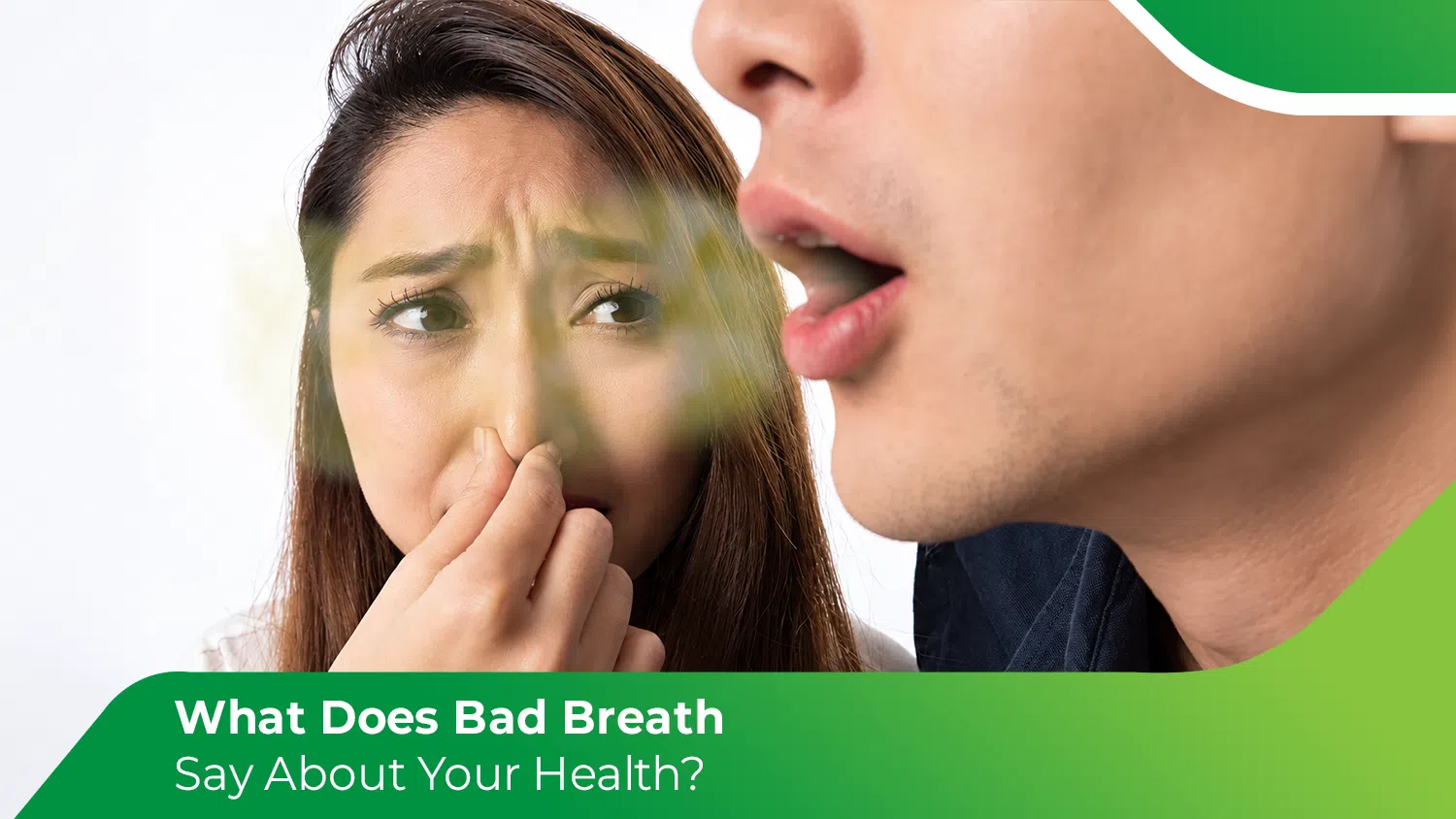

Have you ever cupped your hand over your mouth, breathed out, and sniffed? Yeah. Everyone has. Nobody admits it.
I think most of us assume bad breath is just a garlic thing, or a coffee thing, or a you-skipped-brushing-last-night thing. And sure, often that’s it. Really often.
But not always. That’s the part I keep coming back to.

Usually it’s just your mouth, honestly
Let’s start with the boring answer, because it’s the most likely one.
Your mouth is warm and damp, basically a tiny city. Hundreds of types of oral bacteria live on your teeth, gums, and tongue, mostly minding their own business. Then you eat something, they break it down, and they release sulfur compounds. That’s the smell. Rotten eggs, sort of.
The back of your tongue is the worst spot. It’s fuzzy, and it holds onto everything. Most people never clean it, me included, for years.
Dry mouth makes things worse. Sleep with your mouth open, drink a lot of coffee, take certain medications, and everything gets stale fast. That’s why morning breath exists. It’s normal, so don’t stress over that one.
Gums matter too. If they bleed when you floss (or when you finally decide to floss), that’s worth a dentist visit. Gum disease smells, and it doesn’t fix itself.
Smoking, obviously. Crash diets too, weirdly, since some low-carb eating gives people a metallic, fruity sort of smell.
And mints? They cover it up for maybe twenty minutes. That’s all.
Okay, but what causes bad breath when you brush like crazy?
So you brush twice a day. You floss, sometimes. You use mouthwash, maybe the stinging kind. And it still smells.
Annoying. Feels unfair, honestly.
This is where it can stop being a mouth thing. Not always! I really don’t want to freak anybody out. But the smell can come from further back, or further down.
Take the sinuses. A sinus infection can send mucus running down the back of your throat, which is postnasal drip. It sits there, bacteria feed on it, and it smells. You might notice a bitter taste, or you keep clearing your throat without knowing why.
Acid reflux is another one. Stomach acid creeps up, and your breath goes sour. Some people live with reflux for years and just think that’s how they are.
Then there are the rarer things. Diabetes, kidney trouble, and liver problems can each change how breath smells, fruity or ammonia-like, or something you can’t quite place. I’m not a doctor, so I’m not going to guess from a blog. If the smell is really strange, or new, just get checked.
Also, mouthwash with alcohol dries your mouth out. Which makes it worse later. Funny how that works.
The throat part nobody really mentions
Here’s the one I think people skip. The throat.
If you’ve got bad breath that won’t go away and your throat feels off too, pay attention. Not panic. Just pay attention.
Bad breath and a sore throat together are a combination doctors see all the time. And it makes sense once you think about it.
Your tonsils are like little sponges with pockets in them. Bacteria, dead cells, and bits of food get trapped in there. When they get inflamed, you get tonsillitis, and the smell can get pretty rough. Sometimes really rough.
Grab a torch and a mirror, and say “ah.” You might see swollen, red, and puffy tonsils, maybe angry-looking. Maybe white spots on tonsils too. Sometimes those are just tonsil stones, which are harmless but smell awful. Sometimes it’s pus, which is a different story. Hard to tell yourself. I can’t tell, and I’ve tried.
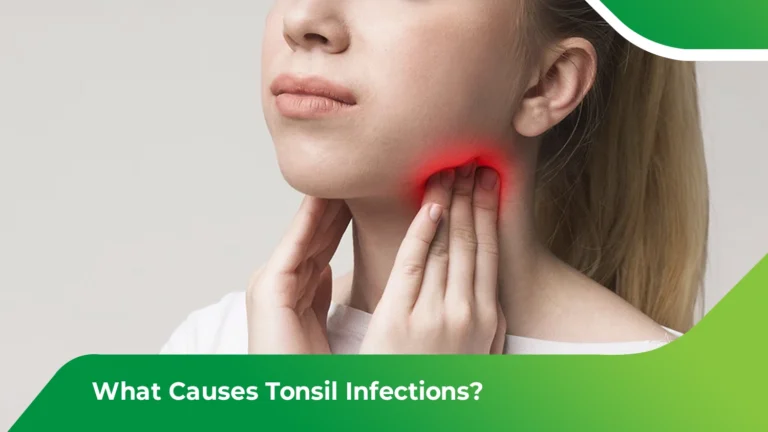
The other clues usually show up alongside. Painful swallowing, like something scratchy is stuck down there. A fever. Headache. Tender, swollen lymph nodes under your jaw, the kind that hurt when you press them. Earache, sometimes.
If it’s viral, like most colds, it passes by itself. Rest, fluids, warm drinks, and the usual misery.
But if a doctor decides it’s a bacterial infection, that changes things. Strep throat is the famous one. It needs proper treatment because, left alone, it can, rarely, lead to bigger problems. Rheumatic fever is the scary one, but it’s rare, so don’t spiral.
Anyway. Bad breath from throat infection is a real thing. It’s not just something people say to sell mouthwash.
Antibiotics, and what people get wrong
Now medicine. I’ll keep this careful, because I’m not the one who should tell anyone what to take.
If a clinician confirms the cause is bacterial, they may prescribe an antibiotic. For younger kids, or anyone who struggles to swallow tablets, that can mean a liquid. One example is Azithromycin Oral Suspension Solution 100 mg/5 mL (15 mL), a small bottle of liquid form. It’s the kind of thing a doctor might choose in those situations.
Notice I said might. Because it depends on the person, their age, their weight, their allergies, whatever else they’re taking. That’s the doctor’s call, not yours and not mine.
Two things people get wrong. One, antibiotics do nothing for viruses. So taking them “just in case” doesn’t help, and it makes resistance worse. Two, leftover pills or liquid from last winter are not a plan. Don’t use them.
And if you do get prescribed something like Azithromycin Oral Suspension Solution 100 mg/5 mL (15 mL), follow the instructions on the label exactly. Finish the course even when you feel better on day two. In the UK, your GP or pharmacist can walk you through it, and in the US, your doctor or pharmacist can. Ask them. They don’t mind.
Small stuff that actually helps
Drink water. Boring, but true.
Scrape or brush your tongue. Really. It changes more than you’d think.
Floss. Or those little interdental brushes if floss annoys you. Same thing.
Change your toothbrush more often than you do. Every three months or so, and after you’ve been ill, because that old brush is just sitting there.
Try the wrist test if you’re curious. Lick your wrist, wait a few seconds, and sniff. It’s not perfect, but it’s a fair hint.
Or ask someone you trust. That one’s brave, I know.
And if your bad breath sticks around after a week or two of proper cleaning, book an appointment. Dentist first, usually. Then a doctor, if the dentist says your mouth looks fine.
Get seen sooner if there’s a high fever, trouble breathing, trouble swallowing your own saliva, or a stiff neck. Don’t wait on those. Go.
Anyway
So what does bad breath say about your health? Sometimes nothing. Sometimes it’s just a dry night and too much espresso.
And sometimes it’s the first thing your body throws at you before the rest catches up. Worth listening to. That’s all I really wanted to say.
FAQs
- Can stress cause mouth odor?
Yes, indirectly. Stress dries your mouth out, and dry mouths smell more.
- Is tonsil stone smell dangerous?
Usually not, just unpleasant. See a doctor if they keep coming back or hurt.
- How long should I wait before seeing a doctor?
If the odor lasts more than two weeks despite good cleaning, get it checked.
- Can a sinus problem make my mouth smell?
It can. Mucus running down the throat gives bacteria plenty to feed on.
- Do mints or gum fix halitosis?
Only for a short while. They mask it; they don’t treat the cause.

Leave a Comment