
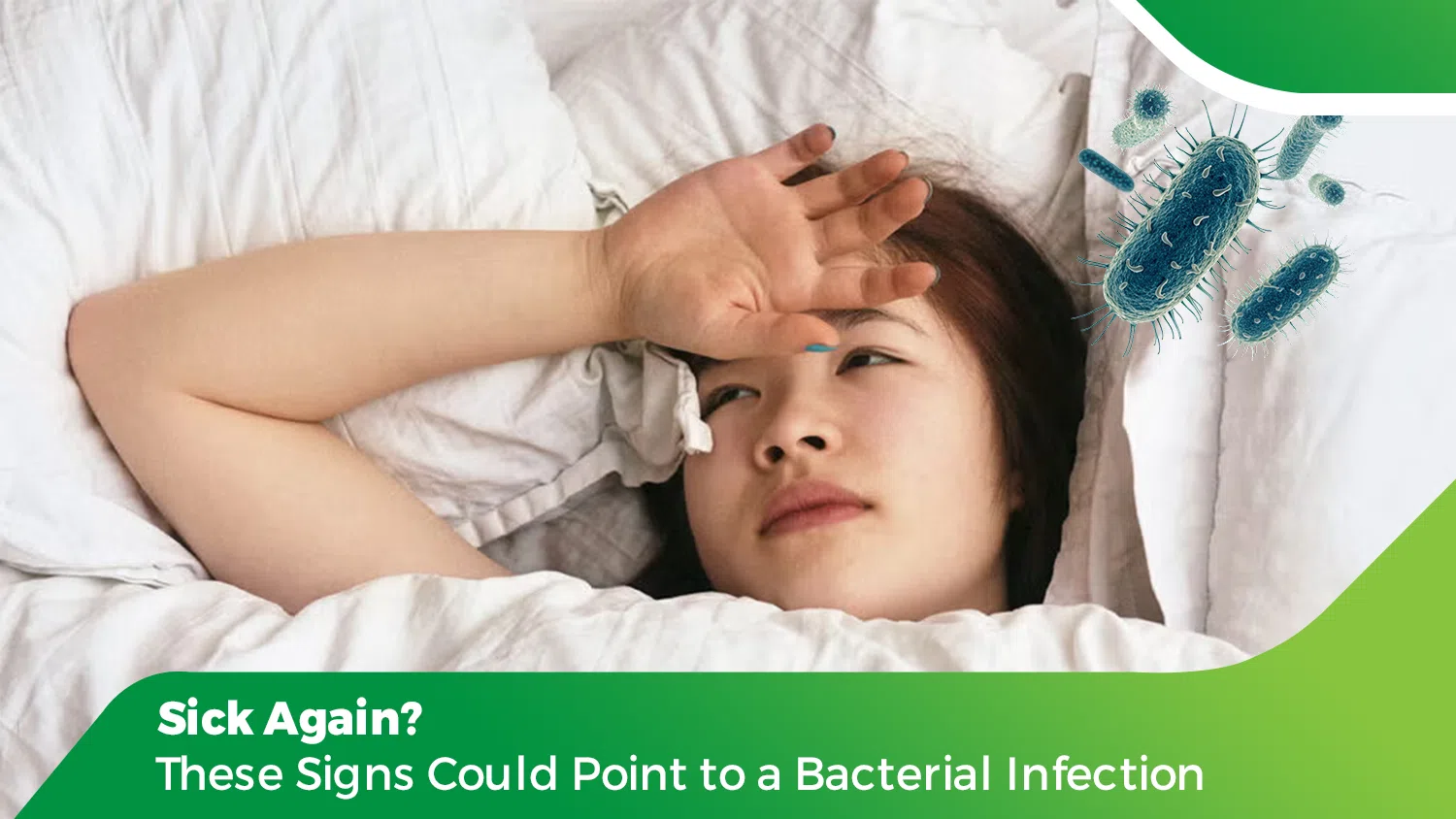

Certain disease-causing bacteria can enter the body. Once inside the body, they can multiply and spread which leads to bacterial infections or a viral infection. Here’s the thing most people don’t actually think about until way too late: not every illness is a virus. Sometimes what starts out looking like a standard cold turns into something more stubborn. Something that needs actual treatment. And the longer you sit there hoping it’ll “just pass,” the worse it can actually get.
This isn’t about scaring you. It’s more like-okay, at what point should you stop dismissing what your body is telling you?
When it doesn’t feel like it’s getting better
There’s kind of a general unspoken rule that a viral illness tends to peak and then slowly get better over about a week. Maybe a week and a half for the more miserable ones. You feel rough, you feel rougher, and then gradually you start coming back to life. But a bacterial infection doesn’t really follow that arc. If anything, it sometimes gets worse after it seems like it might be getting better. You had two okay days and then bam, you’re back in bed. That’s a pattern worth paying attention to.
A persistent high fever around 103°F (39.4°C) or higher for more than two or three days-that’s not just your immune system doing its normal thing. That’s your body screaming that it’s fighting something harder than a common cold. Fevers from viral infections tend to break. They go up, they respond to paracetamol or ibuprofen, and eventually they stop coming back. When the fever keeps returning, or won’t come down properly even with medication, that changes things. That’s a signal.
The Colour of What Comes Out of You Is Actually Telling You Stuff
The colour and texture of mucus, discharge, or anything your body is producing when you’re sick matters. Green or yellow mucus on its own doesn’t always mean bacterial (people get confused about this all the time), but when it’s thick, it keeps coming, it smells off, and it’s been going on for well over a week – that combined picture is different.
Same with skin. If you’ve got a cut or a wound or an insect bite that’s looking red, swollen, warm to touch and there’s pus – that’s signs of bacterial infection in adults that genuinely shouldn’t be ignored. Some people look at an infected skin thing and think it’ll sort itself out. Sometimes it does. But sometimes it doesn’t, and it keeps spreading, and then you’re in a much worse situation. Skin infection signs that go beyond minor irritation include things like: the red area getting bigger day by day, red streaks appearing around the wound, the skin feeling hard or tight. These aren’t minor things. That’s the kind of stuff that needs medical attention fairly quickly, not “let me wait until Monday.”
Viral vs Bacterial – It’s Actually Not That Obvious
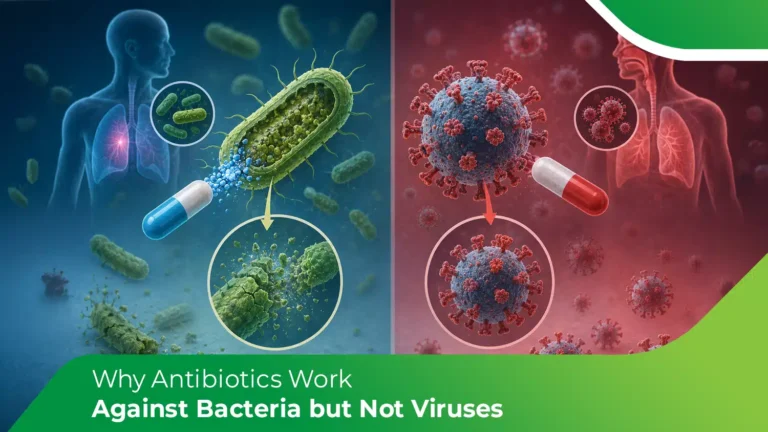
People assume they can tell the difference. They can’t, really. Not without proper tests. This is the part where doctors often get frustrated with patients. The viral vs bacterial question matters because antibiotics like A-mox 250 mg are the main treatment for bacterial infections and they do absolutely nothing against viruses. So if you’ve got a viral respiratory thing and you demand antibiotics, you’re taking medication that won’t help and might cause other problems down the line. But on the flip side, if you’ve actually got a bacterial infection and you don’t get treated, things can escalate.
Bacterial infections often come with more localised symptoms. Your throat is extremely sore but your nose is mostly fine. You’ve got intense pain in one ear, not just a bit of congestion. Your chest hurts in a specific way. Viral illnesses tend to be more all-over – runny nose, general tiredness, a bit of everything at once. Viruses can absolutely make the body more vulnerable to bacterial infections layering on top. So you start with a virus and then, a week in, bacteria set up camp while your immune system is busy. That’s when things get complicated. That’s often what’s happening when someone says “my cold turned into something worse.”
Recurring Illness Signs You Might Be Brushing Off
There’s another category of people who aren’t dealing with one long illness – they’re just getting sick constantly. Every few weeks, something new. Or maybe the same thing, cycling back. That pattern of recurring illness signs can point to a few different things, and one of them is that a bacterial infection is never really being fully cleared.
This happens. Especially with things like sinus infections or throat infections. You feel bad, you maybe get a short course of antibiotics, you feel a bit better, you stop taking them early because you feel better, and then two weeks later – same thing. Except sometimes it’s not the same thing. Sometimes the bacteria hanging around have gotten a bit more stubborn.
If you keep getting the same type of infection, in the same spot, that’s worth a proper conversation with a physician.
When Symptoms Start Getting Worse Fast
Okay so this is the part people really need to take seriously. There’s a difference between “slowly not getting better” and “symptoms worsening fast.” The second one is a red flag in a different category entirely. If you wake up and within a few hours you’re struggling to breathe, you’re confused, your heart is racing, you’ve got a rash that’s spreading-that’s not “maybe I should book a physician’s appointment this week.” That’s urgent care. Emergency department. Bacterial infections can turn serious quickly in certain situations. When bacteria get into the bloodstream-which can happen, the whole situation escalates into something called sepsis, and that is genuinely life-threatening. It’s rare, yes. But it happens, and it happens faster than most people expect.
The early signs of something going wrong fast include: extreme fatigue that hits suddenly and feels different from normal sick-tiredness, confusion or not quite being able to think straight, very rapid breathing, skin that looks mottled or pale. These are not “wait and see” situations.
The Bit About Antibiotic Treatment That Nobody Explains Properly
If you go to the physician and they confirm it’s a bacterial infection, you’ll likely be prescribed antibiotics. And here’s where most people mess up, with the best of intentions. You take antibiotics. You feel better after three or four days. You stop taking them. Don’t do this.
Antibiotic treatment like A-mox 250 mg needed for a full course means a full course. Even when you feel fine. Even when you feel great. The reason is that feeling better doesn’t mean every single bacterium has been eliminated. The ones that survive a short course are, by definition, the harder ones to kill. You take them to completion, or you risk everything that’s left behind being more resistant.
This is honestly one of the biggest contributors to antibiotic resistance and it’s entirely preventable. Nobody’s trying to lecture here – it’s just that this one thing makes a real difference and most people genuinely don’t know why it matters.
Infection Not Healing – At What Point Does It Become a Problem
There’s a general principle that minor infections – small skin infections, for example – can sometimes resolve on their own. The body is actually pretty good at dealing with contained bacterial invasions when it has enough resources and when the infection hasn’t spread. But “infection not healing” after a reasonable amount of time-let’s say a week or more for a skin infection, or two-plus weeks for a respiratory or sinus thing, that’s the threshold where professional assessment really makes sense. Not because something terrible is definitely happening, but because you can’t know what’s happening without a proper look.
Some bacterial infections need specific antibiotics, not just any antibiotic. The wrong antibiotic is nearly as useless as no antibiotic. So “my friend had the same thing and these worked for her” isn’t a great strategy. Different bacteria, different drugs.
Final Thoughts
The thing about bacterial infections that doesn’t get said enough is that people often know something is wrong before they can explain it. It’s a gut feeling. This is different. I don’t feel like I’m getting better. Something doesn’t feel right.
A bacterial infection left untreated doesn’t just stay contained in one place and wait politely for you to decide to address it. Infections spread. They are complicated. They use up resources your immune system could be spending on something else.
You don’t need to be dramatic about it. You don’t need to rush to A&E every time you have a sore throat. But you do need to pay attention to the pattern, the progression, the symptoms that are lingering or getting worse rather than improving. That’s the thing that matters.
FAQs
- Can I have a bacterial infection without a fever?
Yes. Some bacterial infections – especially skin ones – can be quite serious without a significant fever. Fever is a sign, not a requirement.
- How do I know if I need antibiotics or not?
You don’t, really – not without a physician confirming it’s bacterial. Antibiotics don’t work on viruses, so it’s worth getting checked rather than guessing.
- Is a bacterial infection contagious?
Some bacterial infections are contagious, some aren’t. Strep throat is quite contagious. A skin infection from a wound usually isn’t passed to others the same way.
- How long does a bacterial infection take to clear with antibiotics?
Most start improving within 48-72 hours, but the full course is usually 5-10 days depending on the type and severity.
- Can stress make you more prone to bacterial infections?
Yes, chronic stress can weaken immune response, which makes it harder for your body to fight off all kinds of infections, including bacterial ones.
Leave a Comment