

Most people have had that moment: a sore throat, a fever, a cough that will not settle, or maybe a child who has been unwell for days. You want something that works. Fast.
And antibiotics have a reputation for doing exactly that.
They have saved countless lives. A simple infection that might once have become dangerous can often be treated with the right medicine. But this success has created a slightly odd habit. We sometimes see antibiotics as the answer to any illness involving pain, mucus, fever, or feeling generally awful.
They are not.
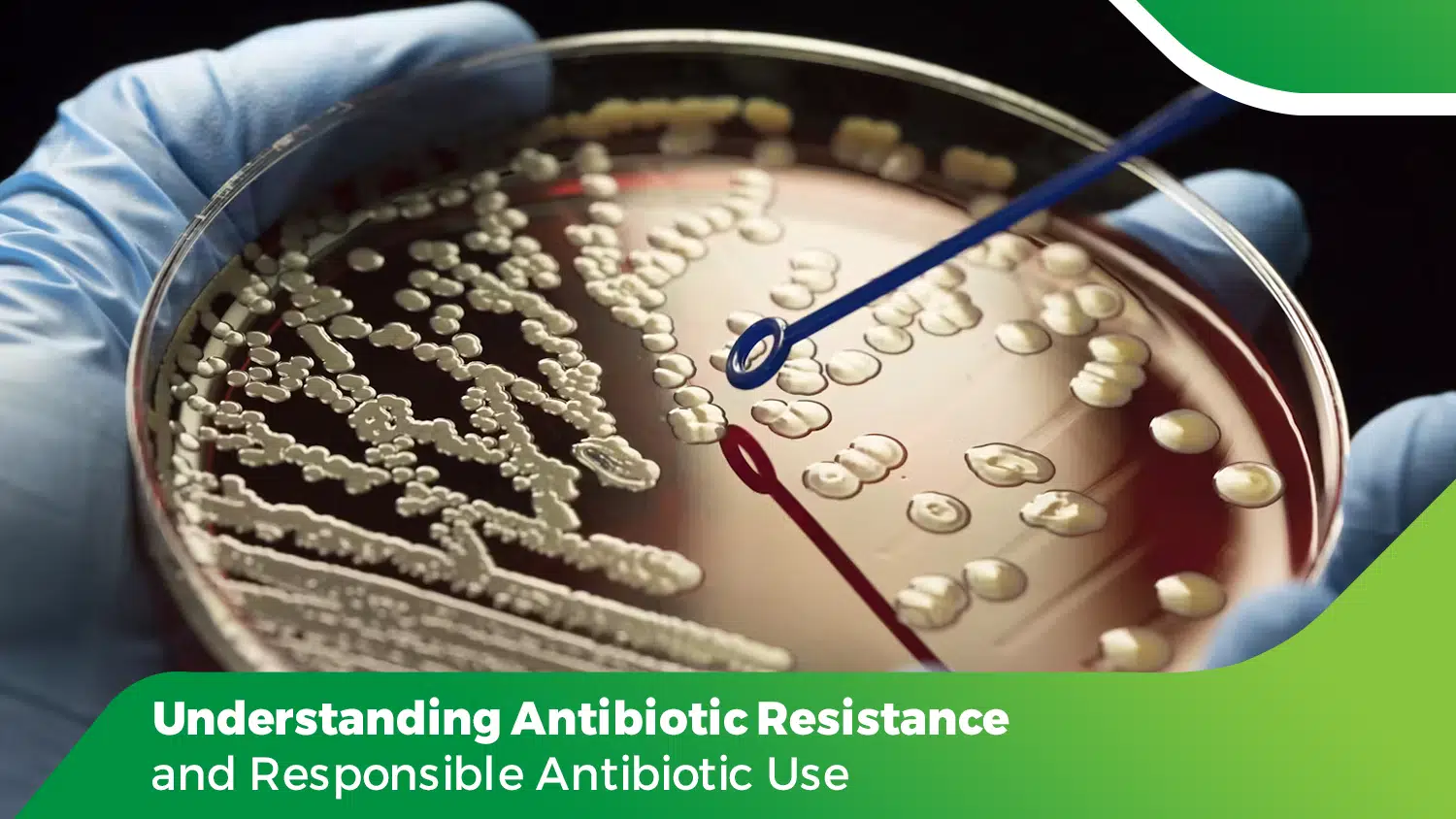
Antibiotic resistance happens when bacteria change over time and no longer respond well to medicines designed to kill them or stop them growing. The person does not become resistant to an antibiotic. The bacteria do. It sounds like a small distinction, but it matters a lot.
When bacteria survive treatment, they can multiply, spread to others, and make future infections harder to manage. Sometimes doctors still have treatment options. Sometimes the options are fewer, harsher, more expensive, or require hospital admission.
It is not just a far-off public-health issue. It can affect everyday things: urinary tract infections, wound infections, pneumonia, dental infections, and infections after surgery.
It is not every fever, cough, or sore throat
Viruses and bacteria are different. Antibiotics work against bacterial infections. They do not work against viruses.
That includes many common colds, the flu, most cases of acute bronchitis, and many sore throats. It also includes infections caused by viruses such as Ebola virus. Ebola is severe and needs urgent specialist medical care, but antibiotics do not treat the Ebola virus itself. They may sometimes be used only if a clinician suspects a separate bacterial infection as well.
This is where things can get frustrating. A person can feel extremely ill with a viral infection. They may have a high temperature, exhaustion, aches, and a cough that feels deep and miserable. Yet an antibiotic may still not help.
Doctors often have to weigh up symptoms, examination findings, test results, medical history, and how long the illness has lasted. There is not always an instant, obvious answer.
That is part of bacterial infection treatment: finding out whether bacteria are actually likely to be the cause before reaching for medication.
What resistance really looks like
When people hear antibiotic resistance explained, they sometimes imagine the body becoming “used to” a medicine, like needing stronger coffee over time.
It is more about natural selection, although that phrase can make it sound more distant than it is.
A few bacteria in an infection may already have traits that help them survive an antibiotic. The medicine kills the more vulnerable bacteria, but the tougher ones remain. They reproduce. Eventually, the antibiotic may become less effective against that strain.
It’s not always one person doing one wrong thing. Resistance can develop naturally and bacteria can mutate. But unnecessary exposure to antibiotics increases the opportunities for resistant bacteria to survive and spread.
The main antibiotic resistance causes include antibiotics being prescribed when they are not needed, taking them incorrectly, using leftover medicines, sharing medication and widespread antibiotic use in people and animals. Poor infection control and limited access to clean water and sanitation also play a role globally.
It can sound overwhelming. It probably is, a little. But individual choices still matter.
Misuse can be surprisingly ordinary
The phrase antibiotic misuse can bring to mind something dramatic, but it is often very ordinary.
Someone saves a few tablets from a previous prescription “just in case.” Someone gives a family member a medicine that seemed to help them last winter. Someone stops treatment early because they feel better. Someone insists on an antibiotic for a cold because they cannot afford more time off work.
All understandable. Not always safe.
Leftover antibiotics may not be the correct medicine, dose, or treatment duration for the new illness. They may delay proper care too, especially if symptoms are caused by something that needs a different approach.
It is also worth remembering that antibiotics can cause side effects. Nausea, diarrhea, thrush, rashes, and allergic reactions can happen. In some cases, antibiotics disturb the normal bacteria in the gut and allow more serious infections to develop.
That is why antibiotic safety is not only about whether a medicine works. It is about whether it is appropriate for that person, at that time, for that suspected infection.
The prescription label is there for a reason
Responsible antibiotic use sounds a bit formal, but the basics are practical.
Take an antibiotic only when it has been prescribed or specifically advised by a qualified healthcare professional. Take it exactly as directed. Do not save doses for later. Do not share it. And if you develop worrying side effects, do not simply guess what to do contact the prescriber, pharmacist, NHS 111 in the UK, or an appropriate urgent-care service in the US.
The old message was often “always finish the full course, no matter what.” In real life, advice can be more nuanced now, depending on the infection and local guidance. The safest approach is still simple: follow the duration and instructions on your own prescription, unless the clinician who prescribed it tells you otherwise.
Proper antibiotic use also means mentioning allergies, pregnancy, breastfeeding, kidney or liver problems, and other medicines or supplements you take. These details can alter which antibiotic is safest.
For example, Augmine 375 mg is a prescription antibiotic product that contains amoxicillin and clavulanic acid. It may be prescribed for certain bacterial infections when a clinician considers it suitable. It should not be used for viral colds or flu, and it is not suitable for everyone, particularly people with a history of serious allergy to penicillin-type antibiotics.
Why “stronger” is not always better
People sometimes ask for the strongest possible antibiotic. It makes sense emotionally. If you are sick, you want the strongest tool available.
But the “strongest” antibiotic is not necessarily the right one.
Doctors often prefer a targeted medicine where possible. This is sometimes called narrow-spectrum treatment: using an antibiotic that addresses the likely bacteria without affecting more of the body’s normal bacteria than necessary. Broader-spectrum antibiotics can be important in certain serious infections but they may also create more pressure for resistant bacteria to survive.
Choosing between antibiotics for bacterial infections is not like choosing a stronger painkiller. The choice is based on the infection site, the likely organism, the local resistance patterns, the history of allergies, other health problems and sometimes the results of laboratory cultures.
A urine sample, throat swab, wound swab, or blood culture can help identify the bacteria and show which antibiotics are likely to work. Results may take time, though. In urgent cases, treatment may start before the full result is back.
This is why a prescription can change after a few days. It does not always mean something went wrong. Sometimes the test simply gives the clinician better information.
Resistance does not usually have its own symptoms
There are no unique antibiotic resistance symptoms that you can spot at home.
The symptoms come from the infection itself: pain when urinating, worsening redness around a wound, fever, shortness of breath, severe diarrhea, a painful tooth, or many other things depending on where the infection is.
Resistance may become suspected when an infection does not improve as expected, gets worse despite treatment, or returns soon after treatment. But that can happen for other reasons too. Maybe the illness was viral. Maybe the diagnosis needs reviewing. Maybe there is an abscess that needs draining, not just medication.
So if symptoms are worsening, or not improving within the timeframe your clinician discussed, seek medical advice rather than taking extra tablets or using someone else’s antibiotics.
Urgent help is important for trouble breathing, confusion, blue or grey lips, severe dehydration, fainting, a rapidly spreading rash, severe swelling of the face or throat, or signs of sepsis. In the UK, call 999 for a life-threatening emergency; in the US, call 911.
Tiny choices add up, unfortunately
Antibiotic resistance prevention is not just about prescriptions. Handwashing, food hygiene, vaccinations, safer sex, staying home when acutely unwell where possible, and keeping wounds clean all reduce the chance of infection in the first place.
Less infection means fewer antibiotics are needed. It is not glamorous, but it works.
Vaccines are especially easy to overlook in this conversation. They do not treat bacterial infections directly in most cases but preventing viral illnesses and certain bacterial diseases can reduce complications, healthcare visits, and unnecessary antibiotic prescribing.
Healthcare settings matter too. Hospitals and care homes use infection-control practices such as hand hygiene, cleaning, screening, isolation precautions, and careful use of medical devices because resistant bacteria can spread more easily among people who are already unwell.
At home, basic things count. Wash hands before preparing food. Cook food thoroughly. Keep raw meat separate from ready-to-eat foods. Clean cuts. Do not pressure a clinician for antibiotics if they say the illness is probably viral.
That last one can be hard when you feel rotten. Still, symptom relief, rest, fluids, pain relief when appropriate, and clear safety-net advice are often the right plan.
It affects more than the person taking the medicine
Antibiotic resistance in bacteria can spread between people, within communities, through healthcare environments, and through food systems and the wider environment. Resistant bacteria do not respect borders, which is one reason this is treated as a global issue.
A resistant infection can mean longer illness, more appointments, more tests, hospital admission, intravenous antibiotics, and fewer treatment options. It can also make procedures such as chemotherapy, organ transplantation, caesarean sections, and joint replacement surgery riskier. Those procedures often rely on antibiotics to prevent or manage infection.
That sounds bleak, and it is worth being honest about it. But antibiotics are not “stopping working” all at once. Many infections are still treatable. The goal is to preserve these medicines so they keep working when people genuinely need them.
Augmine 375 mg, like any antibiotic, should be used only under medical guidance and for the infection it was prescribed to treat. Taking it casually, or stopping and restarting it based on how you feel without advice, is not a good shortcut.
Sometimes doing less is the responsible choice. Not because the illness is unimportant, but because the right treatment is not always an antibiotic.
FAQs
- What is antibiotic resistance?
It is when bacteria change so an antibiotic no longer works as well against them.
- Can antibiotics treat colds and the flu?
No. Usually colds and the flu are caused by viruses not bacteria.
- Should I use leftover antibiotics?
No. They may not be right for what ails you now and can delay proper treatment.
- How can I prevent resistant infections?
Use antibiotics only as prescribed, wash hands, keep vaccines up to date and practice good food hygiene.
- What if I do not feel better on antibiotics?
Call your prescriber or your pharmacist. Don’t take extra doses or switch medicines on your own.

Leave a Comment