
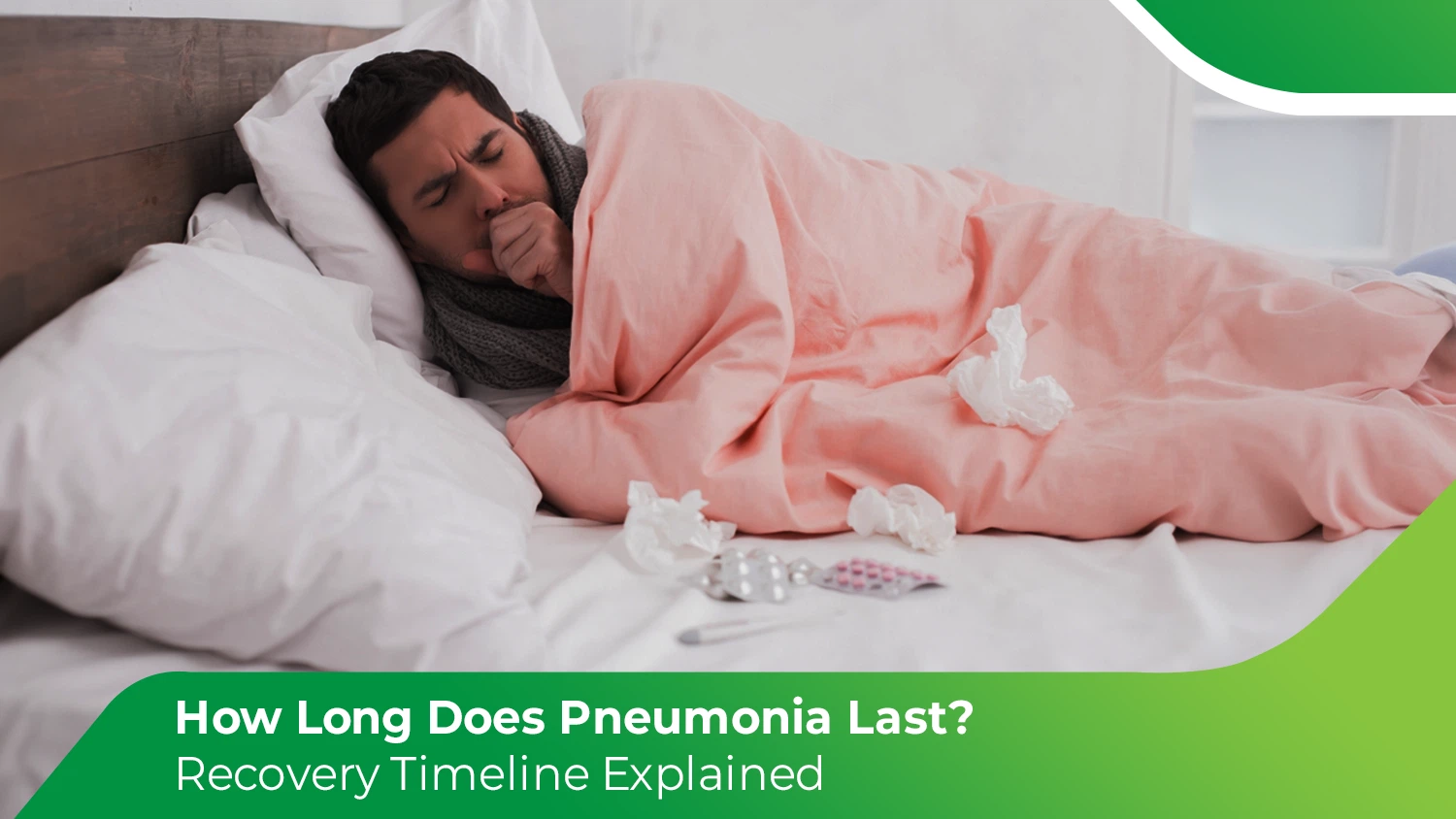

Nowadays, pneumonia is a very common disease, but recovery is just as important and within reach if you stick to the right plan. However, following your treatment plan can give your body the rest it needs, and also keep an eye on your symptoms and take precautions to avoid passing the infection on to other parts of the body; all play a big role in how smoothly you bounce back. Recovering from pneumonia isn’t always a quick process; it takes time to get completely normal. But some people are back to their usual routine within a week or two, while others may need a month or more before they feel like themselves again. It is common to feel tired for many weeks even after other symptoms fade. However, everyone recovers at a different pace, and it’s worth checking in with a healthcare provider; they may give you the option of Augmine 375 mg medication to recover from the pneumonia and get back to your regular activities. If you have symptoms of pneumonia as well, then you need to follow your treatment plan, take steps to help your body, monitor your condition, and avoid spreading the infection to others.
What can pneumonia be?
It is an infection that can cause inflammation in the tiny air sacs (alveoli) of one or both lungs and also fill them with pus or fluid. It can be caused by viruses, bacteria, fungi, and each cause can influence how long pneumonia lasts and how long recovery lasts. The symptoms of pneumonia include fever, chills, chest pain, cough, and shortness of breath. Sometimes people may also feel tired or weak or may lose their energy while they are sick.
How Is Pneumonia Treated?
It can be treated on the type of pneumonia and depends that you have, such as how sick you are feeling, your age, and also your health conditions. The goals of treatment are to cure the infection and prevent complications. It is important to follow your treatment plan carefully until you are fully recovered. If your pneumonia is caused by bacteria, you will be given an antibiotic option such as Augmine 375 mg medication. It is important to take all the antibiotics, even though you will probably start to feel better in a couple of days. If you stop before the prescription is gone, you have a risk of having the infection return, and you increase the chances of the germs becoming resistant to treatment in the future.
Take steps to help your body recover
The following steps can help your body recover from pneumonia.
- Choose heart-healthy foods, because good nutrition helps your body recover.
- Drink plenty of fluids to help you stay hydrated.
- Don’t drink alcohol or use illegal drugs. Alcohol and illegal drugs weaken your immune system and can raise the risk of pneumonia complications.
- Don’t smoke and avoid secondhand smoke. Breathing in smoke can worsen your pneumonia.
- Get plenty of sleep. Good sleep can help your body rest and improve your immune system’s response.
- Get light physical activity. Moving around can help you regain your strength and improve your recovery. However, you may still feel short of breath. Activity that is too strenuous may make you dizzy. Talk to your provider about how much activity is right for you.
- Sit upright to help you feel more comfortable and breathe more easily.
- Take a couple of deep breaths several times a day.
How can pneumonia affect your health?
People with pneumonia can be successfully treated, though complications can still occur. Complications are more likely if pneumonia is untreated. These complications are more common in children, older adults, and people with other serious conditions.
The complications of pneumonia may be life-threatening.
- Acute respiratory distress (ARDS) and respiratory failure are common complications of serious pneumonia.
- Kidney, liver, and heart damage develops when these organs don’t get enough oxygen to work properly or when your immune system responds negatively to the infection.
- Necrotizing pneumonia develops when your infection causes your lung tissue to die and form lung abscesses (pockets of tissue filled with pus). It also makes your pneumonia harder to treat. You may need surgery or drainage with a needle to remove the pus.
- The disorders of the pleura can occur when the tissues that cover the outside of your lungs become inflamed, and the chest cavity around your lungs fills with fluid and pus.
- Sepsis happens when bacteria from your lungs get into your blood and cause inflammation throughout your body.
How long different types of pneumonia last
Different kinds of pneumonia have different typical timelines.
- Bacterial pneumonia: With the right antibiotics, many people start feeling better in 3–5 days, but full recovery can take 2 weeks or longer, and chest X‑ray changes may take 6–8 weeks to clear.
- Viral pneumonia: Symptoms may improve within 1–2 weeks, but in some people, cough and fatigue can last 3 weeks or more.
- Walking (atypical) pneumonia: This milder form can drag on; symptoms may last 4–6 weeks, with cough often being the longest‑lasting symptom.
In the serious cases, those needing hospital care can take several weeks to months for full energy and lung function to return.
Factors that can affect how long pneumonia lasts
The several factors that make pneumonia clear slower or faster:
- Adults and very young children often recover more slowly and may have more complications.
- Diseases such as heart disease, asthma, COPD, diabetes, or a weak immune system can all prolong recovery.
- The types of germs, such as viruses and bacteria, can cause milder infections, and others lead to more serious illness.
- Taking early treatment can lead to faster improvement and fewer complications
- The proper rest, fluids, and good nutrition help to support the immune system and can promote healing.
How do you take care of your body for recovery?
- Always take medication as prescribed by your health care professional and complete the entire course of antibiotics.
- Don’t smoke or be around anyone who smokes. Smoking and secondhand smoke can harm your lungs and slow your healing.
- Always eat healthy food for the calories, vitamins, and protein to support your body’s immune system.
Follow‑up visits and, sometimes, a repeat chest X‑ray are important to be sure the infection has cleared and to rule out complications.
Conclusion
It may take time to recover from pneumonia. But some people feel better and can return to their normal routines within a week. For other people, it can take a month or more. Adequate rest is important to maintain progress toward full recovery and to avoid relapse. Don’t rush your recovery! Talk with your healthcare professional about when you can go back to your normal routine. However, try to limit your contact with your friends and family to help keep your germs from spreading to other people. Cover your mouth and nose when you are coughing, and also dispose of the tissues and wash your hands often. Visiting your healthcare provider can always help you to stay healthy and safe.
FAQs
1. How much time does it take to recover from pneumonia?
Some individuals start feeling better within a week or two, but it takes full recovery for a month or more for some people to fully recover.
2. If all the other symptoms are gone why do I feel tired?
But once the main symptoms have passed, your body continues to heal, and fatigue can sometimes last for weeks.
3. Will I have to stay in bed afterwards?
It is better to go back in slowly and check once with your healthcare provider before going to your normal routine.
4. How to prevent spreading pneumonia to others?
Wash your hands often. Avoid close contact with your close ones. Use your elbow or a tissue to sneeze into.
5. If I start to feel better do I have to finish all my antibiotics?
First, see your health care professional. If you stop your treatment too soon, the infection can come back and will be more difficult to treat next time.
Leave a Comment