
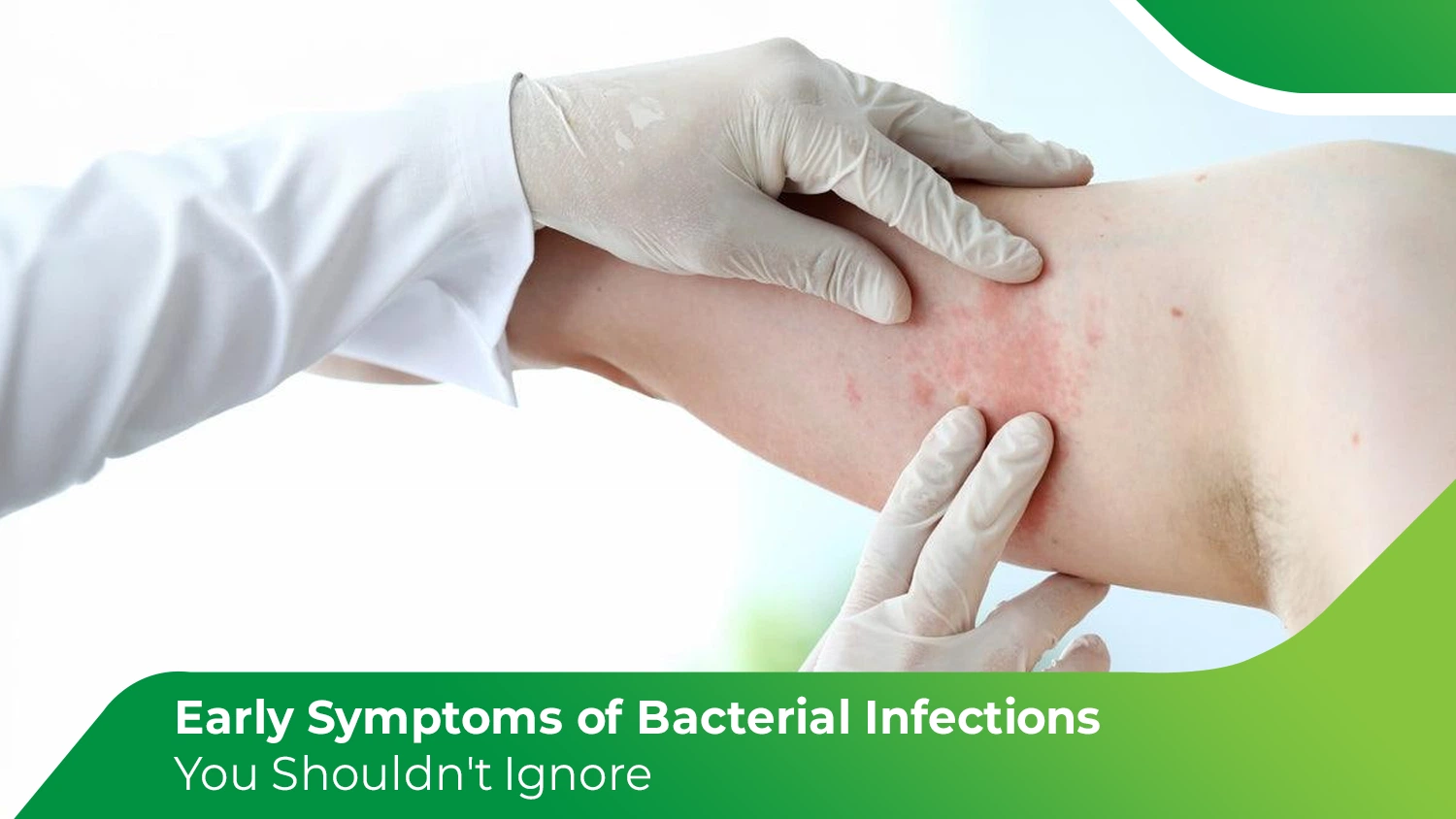

Nowadays, bacterical infection are the most common health issues people encouter and, ranging from mild to serious illnesses affecting the respiratory system, digestive system, and urinary tract. Many bacterial infections resolve with timely care; ignoring early signs can allow an infection to spread, and sometimes it may lead to complications that are far more difficult to manage. Knowing about the bacterial infection symptoms early can make a meaningful difference in how quickly and comfortably a person recovers. In this blog, we will see the early signs of infections, common types of bacterial infections, and when to seek the guidance of a healthcare professional.
What can cause bacterial infections?
Bacteria are organisms that can exist almost everywhere on the skin, in the environment, and also inside the body. However, bacteria can cause infection when they enter the body through a wound and become airborne and inhaled or multiply in areas where they don’t belong, such as the bloodstream and urinary tract. The causes of bacterial infection include Close contact with an infected person, Contaminated food or water, Cuts, scrapes, or wounds that allow bacteria to enter the skin, Poor hygiene practices, which can allow bacteria to spread more easily, weakened immune function, which makes it easier for bacteria to take hold, and Prolonged use of medical devices, such as catheters, in clinical settings. However, the bacteria can enter the body in different ways, and bacterial infection can also affect any part of the body, from the skin to the lungs to the digestive tract. If those who are experiencing these kinds of symptoms consult with their healthcare professional, they may provide an option of Cipmox 250 mg, which can be effective for bacterial infections.
The Early Signs of Infection
1. Fever
A rising body temperature is one of the first signs that the immune system is responding to an infection. A mild fever cannot always indicate a bacterial infection, but a fever that develops suddenly, climbs steadily, or is accompanied by chills can be an early warning sign.
2. Localized Redness, Swelling, or Warmth
These symptoms can be early signs of a bacterial infection, such as swelling, redness, and warmth around a cut or wound, or an affected area are early signs. If the area becomes painful, spreads outward, or develops pus, it is a sign that bacteria are actively multiplying in the tissue.
3. Persistent Fatigue
Feeling tired even after rest can be an early sign that the body is fighting an infection. This fatigue often accompanies other symptoms and tends to worsen if the infection is ignored.
4. Pain or Discomfort in a Specific Area
Bacterial infections can cause pain depending on where they can occur, such as ear pain, sore throat, abdominal discomfort, or a burning sensation during urination. This targeted discomfort is one of the clear indicators of where an infection may be developing.
5. Changes in Discharge or Secretions
Unusual discharge, whether thick nasal mucus, discharge, or cloudy urine from a wound, can indicate a bacterial infection, and when the color shifts to yellow, green, or a cloudy appearance.
6. Swollen Lymph Nodes
Lymph nodes can swell as the immune system works to fight off bacteria, and tender to enmalarged lymph nodes in the neck, groin, or armpits can be an early clue that the body is responding to an infection somewhere nearby.
Common Bacterial Infections
Bacterial infections can appear in many forms, and common bacterial infections can help with early signs. There are some of the most common include Sinus infections, which may follow a cold and cause facial pressure, thick nasal discharge, and headache. Infections of the ear that are common in children and adults and usually cause pain, pressure, or temporary hearing loss. Urinary tract infections (UTIs), which often cause burning on urination, frequent urges to urinate, or lower abdominal pain. Respiratory infections such as some forms of bronchitis or throat infections, which may cause cough, sore throat, or chest discomfort. Skin infections such as infected cuts or abscesses may cause redness, swelling, and warmth. While each of these has slightly different signs of bacterial illness, catching any of them early can help prevent complications.
How to tell if you have a bacterial infection vs. a viral illness.
Duration. Bacterial infections often will continue or get worse after a few days, while many viral infections will go away on their own. Localized symptoms. Bacterial infections are usually localized to one part of the body, such as a wound or the urinary tract, for instance. Change in discharge. Thick, colored discharge is more likely to be a bacterial infection; clear, watery discharge is more likely to be a viral infection. Response to basic care. Viral symptoms will often improve with rest and fluids, but bacterial symptoms may continue even with these treatments.
However, self-diagnosing has its limits. If you have a bacterial infection, you’ll probably need to see a health care provider. Your health care provider may also do laboratory tests like blood tests or urine tests or a swab culture to find out what kind of bacteria you have and how to best treat it.
Treatment depends on where the infection is and how severe it is, and the kind of bacteria. Treatment usually involves rest and drinking lots of fluids to help your body combat the infection. Care of localized infections involves cleaning and covering the affected area of skin. Watch for signs the infection is getting worse, such as increased redness or fever. If the infection does not improve after a few days, or you have worrying symptoms, including a high fever, severe pain, or increasing redness, see a doctor. If any individual with the bacterial infection, consult your healthcare provider because they may provide the Cipmox 250 mg as the best option for bacterial infections.
When to see a doctor:
Many bacterial infections are mild and can be treated at home, but some symptoms will require you to seek medical care. Symptoms include:
- A very high fever or a fever that does not go away after a few days
- Redness or swelling that is spreading rapidly
- Pain in the chest or breathing problems
- Constant vomiting or not being able to keep fluids down
- Confusion, dizziness, or profound weakness
- Signs of infection in a wound that won’t heal
These symptoms could mean the infection is getting worse and needs to be seen by a professional rather than just treated at home.
Summary
Bacterial infections can be mild and manageable or severe and rapid; therefore, early detection of infection is important. Recognizing early signs of infection such as fever, pain, swelling, or abnormal discharge can help to identify a bacterial infection before it advances. If you have symptoms that are worsening, it is still the best way to confirm the diagnosis and start the proper treatment to seek prompt medical evaluation. If you are suffering from the symptoms of bacterial infection it is important to seek the advice of a healthcare professional for a proper diagnosis and the right treatment which may include medications such as Cipmox 250 mg.
FAQs
1. What are the symptoms of bacterial infections?
A fever is usually one of the first symptoms. It is usually accompanied by tiredness or pain in a particular area.
2. How do I know if I have a bacterial or viral infection?
Bacterial infections continue or get worse over a few days. Most viral infections resolve spontaneously.
3. Can a bacterial infection go away on its own?
Sometimes mild infections go away on their own with rest. Sometimes you need medical care to avoid problems.
4. What are the most common bacterial diseases?
Common bacterial infections include skin infections, urinary tract infections, ear infections, and sinus infections. Each has particular symptoms.
5. When to see a doctor for a bacterial infection?
If your symptoms do not improve or last more than a few days.If you develop a high fever or the redness spreads, call your doctor.


Leave a Comment